Debt Categories to List Before Making a Plan: Your First Step
Facing debt can feel overwhelming. Sometimes, it even seems easier to ignore it, hoping things will get better. But the truth is, the first and most empowering step in tackling your financial challenges is simple: know exactly where you stand.
This all starts with understanding the debt categories to list before making a plan. When you can see every piece of your debt puzzle laid out, you can start putting together a strategy that truly fits your life. In this guide, you’ll find practical steps, uplifting advice, and a clear blueprint for lasting change.
Why Debt Categories Matter
Debt isn’t just a set of numbers—it’s made up of varied obligations with unique characteristics. Some debts hurt you more financially if ignored. Others can be paid off strategically to free up income and peace of mind.
By listing your debts according to category, you don’t just get organized, you actually give yourself the power to prioritize. Different types of debt need tailored approaches to repayment. This knowledge helps you make smarter choices about what to tackle first and how to tailor your efforts for maximum results.
The Essential Debt Categories to List
Before you can make a plan, pull together every detail. Here are the main categories to guide you:
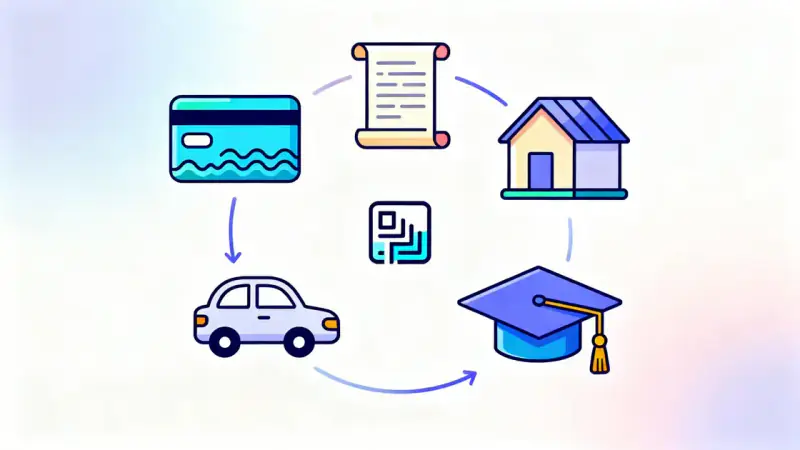
- Credit Card Debt – Usually high-interest debt with minimum payments. Understanding each balance and rate unlocks smarter payment decisions.
- Student Loans – Federal or private, these carry unique repayment and forgiveness options. Include all lenders and outstanding amounts.
- Auto Loans – List your car, motorcycle, or other vehicle loans. Note if any are overdue or in danger of repossession.
- Mortgage Debt – Your house is both shelter and an investment. Record principal owed, interest rates, and loan servicer details.
- Medical Debt – These can sneak up after emergencies. Include both unpaid bills and any debts sent to collections.
- Personal Loans – Bank, family, payday, or installment loans. List everything, even informal agreements.
- Tax Debt – Whether owed to the IRS or state, tax debt can snowball quickly. Don’t ignore it on your master list.
- Other Debts – This catch-all includes overdue utilities, rent, child support, or legal judgments. Every obligation counts.
This thorough listing sets a powerful foundation for progress. Don’t hesitate to add subcategories as needed—what matters is nothing stays hidden.
The Steps: How to List Your Debts With Confidence
Now it’s time to organize your financial reality. Here’s an impactful way to begin:
- Gather all statements, bills, and emails related to your debts.
- List them by category, as detailed above.
- For each debt, record: creditor name, current balance, interest rate, minimum payment, and due dates.
- Note extra fees, late payment charges, or delinquency status.
- Create a master table or document you can update regularly.
| Debt Type | Creditor | Balance | Interest Rate | Minimum Payment |
|---|---|---|---|---|
| Credit Card | Bank A | $3,200 | 21% | $80 |
| Student Loan | Federal Direct | $15,000 | 4.5% | $150 |
| Medical Debt | Local Hospital | $1,000 | 0% | $50 |
Creating a visual representation not only gives clarity but establishes a starting point for your journey toward relief and freedom.
Common Mistakes to Avoid
Even with the best intentions, people often make errors that slow their progress or erode their confidence. Here are some reminders to keep your momentum:
- Don’t underestimate the emotional weight of overlooked debts. Even small balances matter.
- Update your list monthly—amounts and interest rates can change.
- Check your credit report for hidden accounts you might miss.
- Don’t combine debts into categories loosely—specifics lead to better choices.
Recognizing and owning each part of your debt is not about shame—it’s about taking back control and making each next step easier.
Breaking Through Doubt: Motivation and Mindset
Sorting and listing your debts can stir up worry or regret. That’s okay. The act of listing isn’t just about facts—it’s about facing your situation with courage and breaking the spell of uncertainty that debt can cast.
Once your debts are categorized, you’ll see patterns and opportunities: maybe a debt is almost paid, or a low balance could be wiped out for a quick victory. Every detail you gather is a stepping stone toward relief and hope.
Planning Your Next Step
With your master debt list in hand, you’re ready to explore repayment strategies. The most popular include the debt snowball (smallest balance first for motivational wins) or debt avalanche (highest interest rate first to save the most money).
But whatever strategy you choose, the clarity from your thorough debt list will guide your steps. You can set priorities, negotiate with creditors, and build realistic goals. Most importantly, you’ll move forward with confidence and self-respect.
Remember: the journey to financial freedom is not a single leap, but a series of clear, courageous steps. By listing your debt categories before making a plan, you’re taking one of the most important steps of all. Your fresh start begins with knowledge and the willingness to face your truth—and from here, your second chance is within reach.
You’re not defined by your debt. The way you choose to manage and overcome it is where true strength and hope live. Take that first step, and watch what opens up along your path.