
Habits That Help Maintain Organized Insurance Records Easily
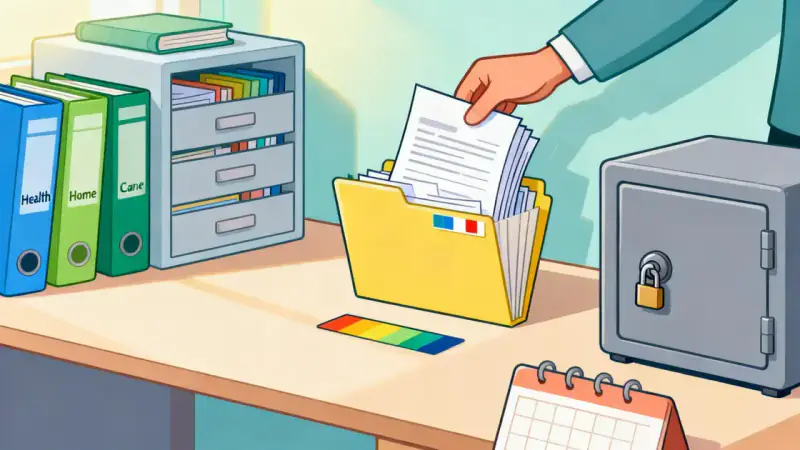
Imagine a sudden event—an accident, a house emergency, or a medical crisis. In such intense moments, the last thing you want is to waste precious time searching for vital insurance documents.
Instead, you need immediate access to what matters most. The good news? Achieving this peace of mind isn’t a matter of luck. It’s the result of consistent organizational habits that you can easily develop and maintain.
Learning to cultivate these habits, and introducing them into your life, can truly be transformative. With a little foresight, intention, and effort, you can stop dreading the paperwork and instead feel empowered by your effective recordkeeping system.
Why Keeping Organized Insurance Records Is So Important
Insurance policies touch every aspect of our lives—from our health and homes, to vehicles and even beloved pets. Yet, too often, these important records end up tossed in random drawers or lost in our inboxes.
Organized insurance records bring numerous benefits, such as:
- Faster claims processing when emergencies strike
- Reduced stress and frustration during critical moments
- Protection against policy lapses or missed renewals
- Improved financial planning and peace of mind
By making record organization a habit, you ensure you’re always prepared, no matter what life throws your way.
Start with Foundational Organization Habits
The best way to keep insurance documents organized is to create a clear, logical foundation you can build on. Start by designating a specific home for all your records. This may be a digital folder, a locked cabinet, or both.
Commit to the following habits from the outset:
- Gather all insurance policies and related paperwork together before you sort
- Divide documents into main categories: Health, Auto, Home, Life, etc.
- Use folders or binders, either digital or physical, labeled with clear titles and dates
- Set aside a few minutes each month to file new documents and discard outdated versions
Building simple routines around these actions makes staying organized almost effortless over time.
Paper or Digital? Combine the Best of Both
Today, most insurance companies offer electronic copies of policies and statements. But sometimes, you’ll still receive paper copies or need hard proofs. The most robust organization systems harness the benefits of both digital and physical records.
Here’s how to strike an effective balance:
- Scan and save paper documents in a clearly labeled cloud storage folder (for backup and convenience)
- Keep original, signed copies or documents required by law in a fireproof safe or locked drawer
- Regularly check digital folders for expired or superseded policies and archive old versions
- Make a checklist that mirrors your folder structure for quick reference
This not only protects you from loss but provides double assurance that you’ll always be able to retrieve your information.
Effective Habits to Maintain Ongoing Order
Organization isn’t a one-time activity—it’s a habit that must be maintained. Consider these practical, everyday habits for keeping your insurance records in peak order:
- Whenever you receive a new insurance document—digital or physical—file it immediately to avoid buildup
- Mark renewal and premium due dates on your calendar, setting reminders a few days in advance
- Once a quarter, review all folders and discard anything that’s outdated, expired, or unwanted
- Use sticky notes or digital flags for policies that require attention or updating
These small actions, repeated regularly, will help ensure your recordkeeping is always up-to-date.
What to Include in Your Insurance Files
For a truly organized system, your insurance files should include more than just your policy declaration page. Ensure that you have the following for every type of insurance you own:
- The full policy document (digital or paper)
- Premium statements and payment receipts
- Records of any claims filed and related correspondence
- Identification numbers and contact information for your insurance representative or company
- Renewal notices or policy update letters
Maintain a handy summary sheet at the front of each folder, listing important details such as:
| Policy Type | Provider | Policy Number | Contact Number | Renewal Date |
|---|---|---|---|---|
| Health | Example Health Inc. | 123456789 | 555-9876 | March 10 |
| Auto | SafeRoad Mutual | 987654321 | 555-4321 | April 24 |
With a one-glance reference, you gain instant confidence during emergencies or planning sessions.
Safeguarding Your Records for the Future
Regardless of how carefully you organize, you must prioritize protection and privacy for sensitive insurance documents. Use password-protected digital folders, encrypted drives, and—when storing paper—fireproof and waterproof storage.
Consider sharing a summary of your policies and their locations with a trusted loved one, executor, or power of attorney, ensuring they can step in if needed.
Inspiration: How Small Habits Lead to Big Peace of Mind
It’s easy to underestimate the impact of keeping insurance records organized. Yet, by embracing these simple habits as part of your routine, you free yourself from worry. No frantic searching during tense times; just calm confidence.
Imagine your life unburdened by paperwork stress—empowered, ready, and secure, no matter what tomorrow brings. That’s what a few well-chosen habits can achieve. Start today, and let your organization become a pillar of your everyday resilience.