How Loan Repayment Schedules Work: Unlocking Financial Clarity
Imagine opening an offer letter for a loan, excitement tinged with worry. The numbers seem daunting, and you wonder: “How will I ever pay this back?” Yet in every loan, a map exists—the loan repayment schedule.
By understanding each element of a repayment schedule, you unlock clarity and empowerment. Today, we’ll uncover how loan repayment schedules work, transforming confusion into confident planning.
Understanding the Building Blocks
At its core, a loan repayment schedule lays out each payment you’ll make over time. It breaks down how much goes to principal versus interest in every installment.
When lenders approve a loan, they calculate:
- The principal (total amount borrowed)
- The interest rate (the percentage charged for borrowing)
- The loan term (the duration for repayment)
Together, these variables shape the repayment schedule, dictating not only what you pay but when and how much you pay each month.
The Structure of Loan Repayment Schedules
Loan repayment schedules may look intimidating, but their structure is logical:
- Monthly payment amounts: Consistent or variable, depending on loan type.
- Due dates: The precise calendar date payments must be made.
- Principal vs. interest portions: Revealing how much of each payment reduces the balance versus pays lender costs.
- Outstanding balance after each payment: Showing progress as you repay the loan.
This transparent roadmap guides you step by step, turning a large debt into approachable milestones.
Types of Loan Repayment Schedules
Not all loans are created equal, so understanding the repayment structure for your specific loan is essential. The most common schedules include:
- Amortizing loans: These are common for mortgages, auto, and personal loans. Each monthly payment is the same, but the split between principal and interest shifts over time.
- Interest-only loans: Initially, you pay only the interest for a set period, with principal payments starting later—often used in real estate or student loans.
- Balloon loans: These require small payments in the beginning, with a large “balloon” payment at the end to cover the remaining balance.
- Graduated repayment plans: Payments start lower and gradually increase, often used for student loans.
Knowing your repayment schedule type will help you anticipate future obligations and plan proactively.
Decoding an Amortization Schedule
Amortization schedules are powerful financial tools, spelling out every payment in black and white. Each row on an amortization table typically details:
| Month | Payment Amount | Interest Portion | Principal Portion | Remaining Balance |
|---|---|---|---|---|
| 1 | $500 | $200 | $300 | $9,700 |
| 2 | $500 | $194 | $306 | $9,394 |
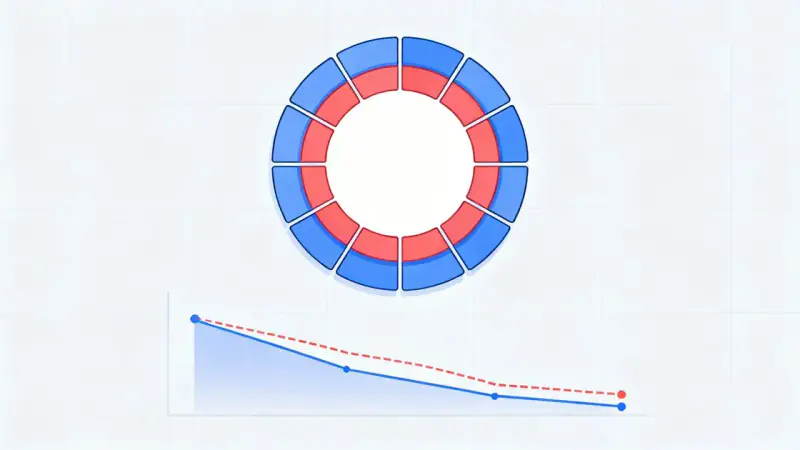
In the beginning, more of your payment goes to interest. As time passes, this flips—more goes toward principal—and your balance shrinks faster. This rhythm unlocks the power of compound repayment.
The Benefits of Mastering Your Repayment Schedule
Grasping how your loan repayment schedule works allows you to take charge of your journey. Here are some transformative benefits:
- Plan your finances with certainty, never missing a payment or fearing the unknown again.
- Identify opportunities to pay extra toward principal, shrinking debt faster and reducing total interest.
- Spot red flags—like balloon payments—that could cause hardship later on.
- Build confidence and discipline as each payment brings you closer to freedom.
Avoiding Common Repayment Pitfalls
Even with the best intentions, borrowers sometimes stumble. The most common mistakes include:
- Ignoring extra payment opportunities—paying only the minimum and remaining in debt longer than necessary.
- Overlooking variable interest rates that can cause payment amounts to change unpredictably.
- Missing payments due to poor scheduling, triggering late fees or harming your credit.
To avoid these pitfalls, use digital reminders, set up automatic payments, and review your amortization schedule regularly. With diligent attention, you can turn loan management into a skill that pays dividends for life.
Optimizing Your Repayment Strategy
Once you understand how loan repayment schedules work, you can shape your debt journey. Here’s how to optimize your repayment:
- Make extra payments when possible—even small amounts directly toward principal drive big savings in interest over time.
- Refinance if you spot lower rates or better terms, but always calculate the long-term impact.
- Track every payment against your schedule, celebrating progress along the way.
- If facing hardship, contact your lender—a new repayment plan can prevent missed payments and preserve your credit.
Remember, every strategic move you make today shapes your financial tomorrow.
The Journey to Financial Freedom
There’s a sense of pride that comes from taking control of your debt. Each payment, each month, moves you closer to a debt-free life and newfound financial strength. Understanding how loan repayment schedules work transforms your mindset—from overwhelmed to empowered.
So, take this roadmap. Use it to plan, anticipate, and act with purpose. With clarity and commitment, your path leads not just toward repaying a loan, but toward building a brighter, more secure future—one payment at a time.
The journey is within your hands. The schedule is your guide. Your financial freedom starts now.