How to Balance Expenses While Paying Debts: Practical Strategies
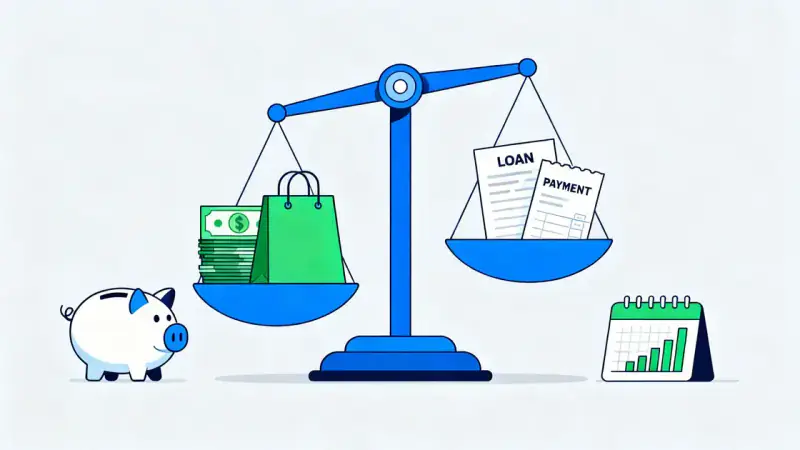
Managing your finances when you’re juggling daily expenses and committed to paying off outstanding debts can often feel like walking on a tightrope. It’s natural to feel overwhelmed, uncertain, or even discouraged by the weight of bills and debt repayment obligations.
Yet, countless people have navigated this challenging journey and found their way to financial stability and peace of mind. Their stories, and yours, begin by learning to balance expenses while paying debts—one step at a time.
By adopting a strategic approach, cultivating key habits, and embracing a few bold changes, you can transform your money management experience. This article provides practical advice, actionable steps, and a spark of inspiration to help you reclaim confidence and hope on your path to becoming debt-free.
Start with Honest Financial Assessment
Facing your numbers is often the hardest but most vital first step. Take a deep breath and be completely honest as you review all sources of income and every expense. Transparency with yourself helps you see the full picture—not just the debts, but also the opportunities for improvement.
List all your debts, interest rates, and minimum payments. Then, document your regular monthly income, followed by every recurring and discretionary expense. This might feel daunting, but clarity here is the key to progress.
Create a Purpose-Driven Budget
Now that you have a financial snapshot, build a realistic budget. Purpose-driven budgeting aligns your spending with your values and keeps your financial priorities at the forefront.
Divide your expenses into two main categories:
- Fixed Needs: Rent/mortgage, utilities, groceries, insurance, minimum debt payments.
- Wants/Discretionary: Dining out, streaming services, impulse purchases, premium brands.
Allocate funds to fixed needs first, ensuring necessities and minimum debt payments are covered. Only then should you allocate what’s left over to “wants.” This shift can be illuminating—many people discover hidden leaks in their spending just by paying close attention to these categories.
Eliminate Unnecessary Expenses
Every dollar saved is one more that can be used to pay down debt and build hope for the future. Look for recurring costs that can be reduced or eliminated. Do you have unused subscriptions, premium service plans you barely use, or lifestyle choices that add up over time?
- Cancel or downgrade unused services
- Shop for better rates on insurance or utilities
- Opt for home-cooked meals over dining out
- Delay non-essential purchases
Each small change, when stacked together, can yield big results over the year. Subtle shifts in lifestyle can make a meaningful difference without sacrificing joy.
Strategize Your Debt Payments
Once necessities are covered and spending is aligned with your goals, it’s time to develop a targeted approach to tackling debt. Two popular methods include the Snowball and Avalanche methods:
- Debt Snowball: Focus first on the smallest balance debt, paying extra while keeping up with the minimums on others. When the smallest is gone, move onto the next. This method can spark motivation as you celebrate quick wins.
- Debt Avalanche: Target the debt with the highest interest rate first for the greatest savings over time. Continue making minimum payments on all other debts.
There’s no universal “right” method—choose the strategy that best aligns with your personal motivation and financial situation. What matters most is steady progress and celebrating milestones along the way.
Communicate and Seek Support
You’re not alone on this journey. Many people find it helpful to invite a trusted friend, partner, or mentor into the process. Discuss your financial goals as a family, engage your community, or even consult a financial counselor if needed. Open conversations foster accountability and encouragement as you navigate challenges together.
Build a Safety Net—Even as You Repay Debt
Financial experts recommend setting aside a small emergency fund—even while paying down debt. Just $500 to $1,000 can shield you from unexpected expenses that might otherwise force you to borrow more. It’s not about building a massive cushion overnight, but gradually carving out a protective buffer.
Once you reach your initial emergency fund target, channel extra funds toward debt until it’s paid off, then rebuild your savings for long-term security.
Track Progress and Celebrate Successes
Regularly review your budget, spending, and debt balances—at least once a month. This keeps you focused and provides a sense of achievement as your hard work pays off. Even small victories are worth celebrating.
Consider using a simple table to monitor progress:
| Debt Name | Starting Balance | Current Balance | Interest Rate | Status |
|---|---|---|---|---|
| Credit Card A | $2,500 | $1,350 | 19.9% | Making extra payments |
| Auto Loan | $6,200 | $5,600 | 7.0% | On track |
Visual reminders like this can inspire you to keep going, even when progress feels slow.
Foster Mindset Shifts for Lasting Change
Lasting financial transformation is more than just numbers on a page—it’s about building a resilient, hopeful mindset. Forgive yourself for past mistakes and focus on the future you’re creating. Treat setbacks as learning opportunities rather than failures.
Adopting gratitude, resilience, and determination will help you remain adaptable and optimistic as you encounter financial ups and downs. These changes in perspective can shift your entire approach to money, relationships, and life.
Conclusion: Embracing the Journey
Learning how to balance expenses while paying debts is not just a financial skill—it’s an act of courage and self-respect. Every intentional choice you make builds toward greater stability and freedom for yourself and those you love.
The journey may be long, but each small step brings you closer to peace of mind and new possibilities. Keep moving forward—you have the strength and wisdom within you to thrive.