How to Balance Loan Payments with Monthly Expenses Wisely

For many, figuring out how to balance loan payments with monthly expenses can feel like walking a tightrope. One unexpected bill, and suddenly everything seems off-balance.
Struggling with this reality is more common than you might think—yet there is hope. Learning to master your monthly money flow unlocks not just financial survival, but powerful peace of mind and opportunity for growth.
This guide delivers practical strategies and creative insights, empowering you to take control. Within, you’ll find step-by-step approaches and mindset shifts to help you rise above financial anxiety and carve a path towards stability and aspiration.
Understanding the Balancing Act
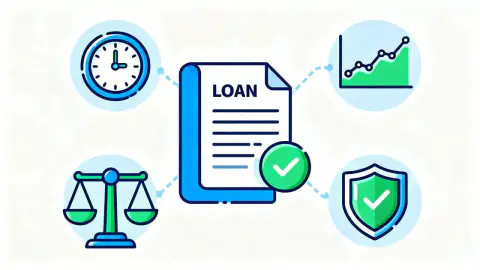
At its core, keeping up with both necessary monthly expenses and required loan payments is like managing two sides of a scale: tip too far to one, and the other suffers. The key is awareness, intention, and proactive planning.
Whether your loans started as an investment in education, a home, or a business, it’s important to treat them as an essential part of your financial ecosystem—not just a monthly nuisance.
Assessing Your True Financial Picture
Begin by laying everything out in front of you: all sources of income, all recurring expenses, and every outstanding loan. This honest accounting will set the stage—because hope and progress are built on a foundation of clear understanding.
Write down each loan, noting the interest rate, monthly payment, and payoff period. In another column, list your monthly obligations—rent, utilities, groceries, transport, insurance, and optional costs.
Your goal is to calculate your total inflow versus outflow. This clarity instantly reveals any gaps or surpluses and highlights where adjustments can be made.
Crafting a Dynamic Monthly Budget
With your financial details at hand, the next step is designing a budget that flexes with your real life.
Budgeting can empower you by providing a simple map to follow each month. Remember, the best budget is a living tool, not a straightjacket. It’s meant to evolve as priorities and circumstances change.
- List all sources of reliable income after taxes.
- Include every recurring monthly expense, from essentials to entertainment.
- Separate loan payments as a distinct, non-negotiable category.
- Allocate a small amount for flexible, unexpected needs—this helps prevent budget blow-outs.
If you have unpredictable expenses, estimating higher can create a cushion. Over time, review your actual spending and adjust accordingly.
Prioritizing with Confidence
Not all expenses are created equal. Successful financial balance often comes down to prioritization. Essential living costs—like housing, food, utilities—always come first. Loan payments are also a top priority, as missing them can harm credit and increase debt through late fees or higher interest.
When the numbers are tight, discretionary spending (such as eating out or entertainment) is the place to practice discipline, not your required payments.
| Expense Type | Priority Level |
|---|---|
| Rent/Mortgage | Essential – Highest |
| Utilities and Groceries | Essential – High |
| Loan Payments | Required – Non-negotiable |
| Insurance (Health, Car, Home) | Required |
| Transportation | Important |
| Dining Out/Leisure | Flexible |
| Subscriptions/Extras | Flexible |
Chasing Solutions: Strategies for Sustainable Balance
Sometimes, you need to think creatively to keep balance.
- Refinancing high-interest loans can lower monthly payments. Compare offers and check eligibility.
- Consider consolidation to simplify multiple debts into a single monthly payment.
- Automate payments where possible. Automation reinforces discipline and avoids late fees.
- Moonlight or freelance for additional income—even short-term projects can offer relief.
- Seek out community support or hardship programs if unexpectedly short on income.
Remember, every small change—skipping a coffee out, using public transport, or pausing a subscription—can add up over time. Redirect these savings towards your loan obligations or savings fund.
Building an Emergency Buffer
It may seem counterintuitive to save while carrying debt, but even a modest emergency fund can drastically reduce stress and keep you on track if something unexpected occurs.
Set aside a tiny portion from each paycheck—even as little as $10-$20—to build a safety net. The sense of security it brings is invaluable, and it keeps debt from spiraling during surprise setbacks, such as car repairs or medical bills.
Staying Motivated and Inspired
Sticking to a plan is demanding, but visualizing the outcome helps. Imagine what life will look like with less debt and more freedom. Celebrate small wins; each on-time loan payment is progress worth honoring.
Your financial journey is unique — setbacks might happen, but resilience is built in the bounce-back. Remember, you’re not just paying bills; you’re building a future where money is a tool, not a burden.
Tracking your achievements, no matter how minor, will help fuel your perseverance. Share your journey with a trusted friend or community for encouragement and accountability.
Conclusion: Empowering Your Financial Future
Learning how to balance loan payments with monthly expenses is less about restriction and more about intentional, empowered living. You have the tools: awareness, a responsive budget, prioritization skills, and creative problem-solving.
Approach each month as a new opportunity—not a burden. Over time, your diligence will unlock not only financial stability but also a sense of accomplishment and hope for what’s to come.