How to Create a Personal Debt Tracking System: The Ultimate Guide
Taking control of your financial life begins with awareness. If you’re feeling the weight of multiple debts—credit cards, student loans, personal loans, or medical bills—you’re not alone. But you don’t have to continue living in confusion or anxiety.
Building a personal debt tracking system can illuminate your true financial picture, empower you to make smarter decisions, and give you hope for a debt-free future.
This guide is designed to inspire you to act and provide you with the practical steps you need to build and sustain a debt tracking system that truly works.
Why Tracking Your Debt Is Life-Changing
For many, debt feels like a shadow that never quite leaves. It’s easy to ignore your financial reality as you go about the daily grind. But avoidance causes stress, and stress can lead to inaction.
When you create a system to track your debts, you give yourself a sense of ownership and control. You’ll see not just what you owe, but how you can make progress. The daily act of tracking debts becomes an act of self-care. Over time, this practice can inspire confidence, reduce anxiety, and build momentum as you see your balances shrink.
What You Need to Begin
You don’t need fancy software to build a solid debt tracking system. Start with the essentials:
- A notebook, journal, or printable tracker
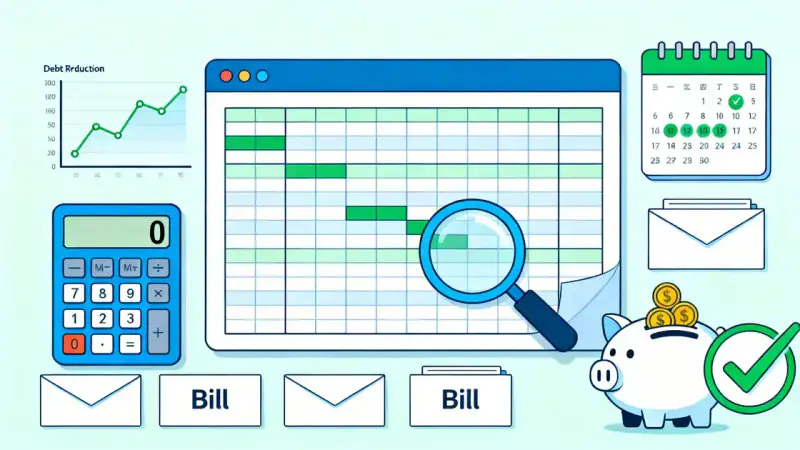
- Alternatively, a digital spreadsheet (Excel, Google Sheets) for more flexibility
- All your recent loan and credit card statements
- Basic calculator, pens, and highlighters for organization
What matters most is consistency and honesty in your tracking—not the complexity of your tools.
Step-by-Step: How to Set Up Your Debt Tracking System
Let’s break the process into simple, actionable steps. Whether you choose paper or digital, begin by creating columns or sections for the following:
- Lender or creditor name
- Total balance owed
- Interest rate (APR)
- Minimum monthly payment
- Due date
- Status (current, past due, in collections)
Gather each of your latest statements and fill in each detail with accuracy. It might feel overwhelming, but remember that clarity leads to positive change.
Now, total up all your debts. Facing the sum can be tough, but this is your starting line—the place from which you’ll begin to make real progress.
Choosing the Right Tracking Method for You
A successful system fits your preferences and lifestyle. Here are some popular methods:
- Manual paper tracker—Simple and tactile, perfect for those who want to physically write and see progress.
- Spreadsheet tracker—Flexible, with automatic calculations and easy to add colorful charts to visualize progress over time.
- Debt tracking apps—Some people prefer mobile apps that offer reminders, graphs, and built-in calculators.
Choose whatever resonates most for you. The main goal is easy access and routine updating.
How to Maintain Motivation and Consistency
You’ve built your system—now it’s time to make debt tracking a habit.
- Set a specific day each week or month for updates
- Celebrate small wins, like paying off a credit card or reducing your total by a set percentage
- Use color-coding or stickers to highlight progress
- Reflect on your “why”—what motivates you to become debt-free?
Remember, this isn’t about perfection. If you miss a week, just restart. Tracking is meant to keep you grounded and inspired, not overwhelmed.
Customizing Your Debt Tracker for Success
Your needs and goals may change over time. Adjust your tracker to better fit your emotional and financial landscape:
- Add visual goal charts (like a thermometer meter) to track progress toward zero balances.
- Add a column for extra payments, tracking each time you pay more than the minimum.
- If you’re using a spreadsheet, include formulas to show how early you’ll finish each debt if you apply extra amounts.
| Debt Name | Amount Owed | Interest Rate | Minimum Payment | Due Date | Extra Payment | Status |
|---|---|---|---|---|---|---|
| Credit Card A | $2,400 | 18.99% | $80 | 15th | $20 | Current |
| Student Loan | $12,700 | 6.5% | $150 | 20th | $50 | Current |
Updating your tracker should become a meaningful ritual—a few minutes spent honoring your progress and realigning your focus.
Common Pitfalls and How to Avoid Them
Even with the best intentions, it’s easy to stumble. Watch for these common errors:
- Forgetting to update regularly, causing missed payments or inaccurate totals
- Underreporting debts—make sure to include even small or forgotten balances
- Getting discouraged by slow progress; remind yourself that every payment counts
Consistency, not perfection, will get you across the finish line. Focus on every small positive choice you make.
Your Journey Toward Financial Freedom
No matter how much you owe, tracking your debts is a radical act of self-empowerment. It’s not just paperwork—it’s a daily affirmation that your goals are possible and worth pursuing.
As you create and maintain your personal debt tracking system, let every entry be a reminder: You are moving forward, step by step. Over time, the numbers on your page will fall—and your confidence will rise.
Your path to a clearer, lighter financial life starts with this one dedicated action. Start today—your future self will thank you.