
How to Develop a Long Term Financial Perspective
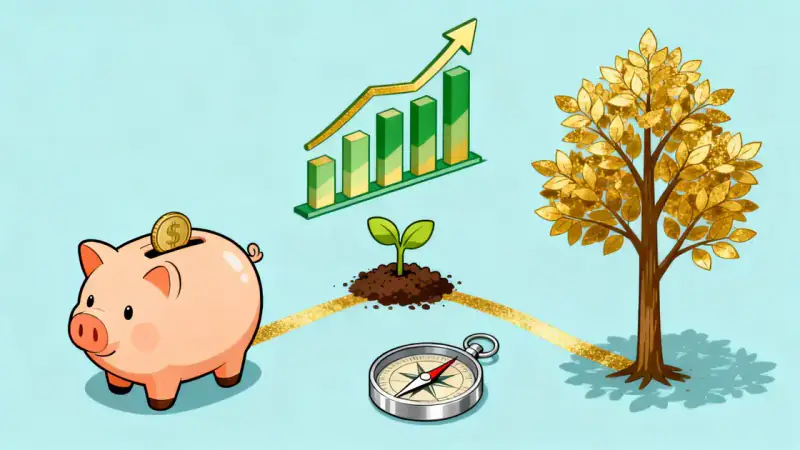
Most people dream of financial security, some yearn for prosperity, but too few have the perspective required to create it. How do you move from wishing for stability to actively developing a future-oriented financial mindset?
The answer lies in learning how to develop a long term financial perspective—one that sustains, motivates, and transforms. It’s about shifting the focus from today’s worries to tomorrow’s possibilities, and in doing so, unlocking a new level of empowerment.
This article will guide you through not only the practical steps, but also the emotional intelligence required to build lasting financial success. Each section combines actionable insights with inspiring ideas, ensuring you have both the tools and the courage to start your own journey.
Why Adopt a Long Term Financial Perspective?
Developing a long term outlook is about more than growing your bank balance—it’s about aligning daily choices with lasting values. In a world obsessed with instant gratification, thinking decades ahead sets you apart. This mindset can:
- Encourage deliberate, strategic saving and investing
- Reduce stress by replacing financial uncertainty with clarity
- Empower you to weather economic setbacks with confidence
- Help you find motivation and meaning in even the smallest smart financial move
When your focus is not just on the next payday, but on building a future, every minor sacrifice or wise choice adds up to something far greater than the sum of its parts.
Define Your Vision: What Does “Long Term” Mean for You?
No one’s version of security and freedom is exactly alike. The first practical step is to get vivid and personal with your financial vision. Where do you want to be in 5, 10, or 30 years?
Ask yourself:
- What legacy do I hope to leave?
- How do I want my lifestyle and work to change as I age?
- What values do I want my financial decisions to reflect?
Write your answers down. Visualize them. Transform these dreams into measurable goals, such as “Have a paid-for home by 50,” “Fund my child’s education stress-free,” or “Start my dream business at 60.”
Your vision becomes the compass, keeping you on course, even when temptation or challenges arise.
Build Habits, Not Just Plans
A long term financial perspective doesn’t hinge only on strategy—it relies on daily, often invisible habits that accumulate over years. Setting up these habits now will yield compounding benefits.
Start with the basics:
- Pay yourself first. Automate savings so you never have to decide each month.
- Track your spending. Awareness curbs unnecessary expenses.
- Invest consistently, even modestly. The earlier you begin, the stronger the result.
These actions, repeated over time, establish a foundation. But just as importantly, they give you proof—day by day—that you are becoming a deliberate steward of your financial future.
Embrace the Power of Patience
Patience is perhaps the single greatest superpower in long-term finance. If you expect overnight success, disappointment is inevitable. When you accept that wealth and freedom are the results of years of dedication, you claim the power to stay steady in the storm.
Visualize your progress as a tree growing: much happens underground, unseen, before the first visible sprout appears. Compound interest, investment growth, and personal development all work slowly at first, then accelerate surprisingly with time and consistency.
Plan for the Unpredictable
No journey is without bumps. Life throws curveballs—layoffs, illness, unexpected expenses. A long term perspective is incomplete without preparation for these moments.
Consider the following as anchors:
- Build an emergency fund worth 3-6 months’ living expenses
- Secure adequate insurance for health, property, and income
- Review and adapt your plan as life evolves
When setbacks occur, let your perspective remind you that a single event doesn’t erase years of growth. Resilience is your most invaluable asset.
Cultivate Financial Literacy Continuously
Even the most visionary plan falters without understanding the tools and principles that govern money. Make ongoing education a priority. Read books, follow financial thought leaders, and seek advice from wise mentors. Each new lesson or perspective will deepen your sense of control and enhance your ability to adapt.
Stay Inspired and Accountable
Long-term goals require long-term motivation. Find what fuels you personally—maybe it’s imagining a debt-free life, supporting your family, or giving to causes you love. Revisit your goals regularly, celebrate milestones, and surround yourself with positive financial influences.
Accountability also sharpens resolve. Share your vision with a trusted friend or partner. Consider tracking your progress in a journal or app. When you stumble, remember: progress is rarely linear, persistence beats perfection.
Overcoming Common Pitfalls
Even with the best intentions, obstacles will try to hijack your journey. Recognize these traps:
- Impulse spending that undermines slow, steady progress
- Pessimism during market dips or financial setbacks
- Comparing your journey to others’, fueling discouragement
Combat these by revisiting your vision and re-centering on your values. Every moment is a chance to get back on track.
Your Financial Legacy Starts Today
Learning how to develop a long term financial perspective isn’t simply about numbers. It’s about forging a lifestyle and identity that reflect your truest priorities. As you shift focus from fleeting wants to lasting wellbeing, you lay a foundation that will echo through your life—and those of generations to come.
Begin today, and embody the mindset that wealth isn’t just about what you have, but what you see, plan, and become.