How to Prioritize Debts Effectively: Smart Steps for Financial Relief
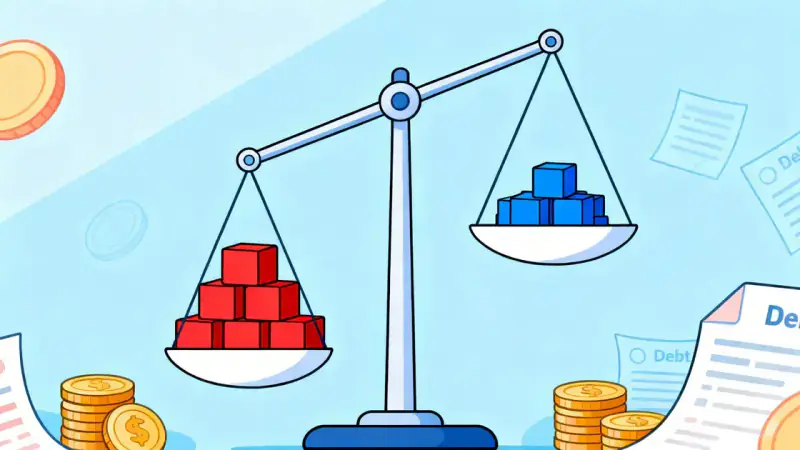
Staring down a mountain of debt can be intimidating—sometimes even overwhelming. The good news is, by understanding how to prioritize debts effectively, you can reclaim control of your finances and steadily march toward the relief and empowerment you crave.
The journey won’t always be easy, but it’s undeniably possible. Each step you take isn’t just about paying off numbers; it’s about gaining confidence and laying a foundation for a brighter, more secure future. Let’s dive in and explore not just practical methods but also the motivation you need to stay on track.
Understanding Why Debt Prioritization Matters
In a world where bills arrive with clockwork precision and interest accumulates silently in the background, prioritizing debt is essential. Failing to approach debts systematically can spiral into larger financial trouble, hurt your credit score, and rob you of peace of mind.
Instead, learning the right order for tackling your financial obligations brings structure to chaos. You avoid unnecessary fees, minimize interest, and set a course for lasting stability.
Start Here: List and Categorize Your Debts
The first and perhaps most important step is seeing the whole picture. Real progress begins once you list every debt you owe, regardless of the amount.
- Gather all recent statements—credit cards, student loans, medical bills, personal loans, car payments, and any outstanding balances.
- Record interest rates, minimum monthly payments, and balances for each debt.
- Don’t forget to include smaller or less regular bills, as even minor debts can accumulate and cause stress.
This list will serve as your roadmap. With clarity, you’ll be better equipped to make sound decisions about where to focus your efforts.
Categorize Debts: Needs vs. Wants
Next, sort debts into two general categories:
- Essential debts, such as mortgage or rent, utilities, or car loans that keep your life and home stable.
- Unsecured debts, like credit cards and store cards, which often have higher interest and fewer direct life consequences if payments are missed.
Ensuring you keep up with essential debts protects your shelter and transportation—the things you cannot afford to lose.
Choose Your Debt Repayment Method
There’s no single right way to pay down debt, but two strategies stand out:
- Debt Avalanche: Focuses on paying off debts with the highest interest rates first while making minimum payments on others. This saves the most money in the long run and helps you get out of debt faster.
- Debt Snowball: Focuses on the smallest debts, regardless of interest rates. You pay these off quickly, gaining motivation with every debt you eliminate.
Which strategy is best depends on your personality and financial goals. If you need quick wins to stay motivated, the snowball method may work for you. If you’re determined to minimize total interest, avalanche is the smarter choice.
Build a Practical Payment Plan
With your debts listed and a method chosen, draw up a monthly plan. Allocate what you can beyond minimum payments to your target debt, and protect essential outflows.
| Debt Type | Balance | Interest Rate | Minimum Payment | Repayment Priority |
|---|---|---|---|---|
| Credit Card A | $2,000 | 22% | $60 | First |
| Car Loan | $8,000 | 5% | $175 | Second |
| Medical Bill | $800 | 0% | $40 | Third |
| Store Card | $400 | 25% | $25 | Fourth |
This example table helps illustrate how to line up your debts according to urgency and strategy. Customize it with your own numbers and update it as you progress.
Emotional Traps and How to Avoid Them
The psychological aspect of debt is powerful. It’s easy to feel ashamed, discouraged, or hopeless, especially when progress is slow. But you are not alone in this journey.
Stay motivated by focusing on your goals and not your setbacks. Surround yourself with supportive people, track every victory, and remember: Every dollar you pay down is an investment in your future peace of mind.
Celebrate Small Wins
Debt repayment is often a marathon, not a sprint. Set milestones—for example, paying off your first credit card or reducing your total debt by 10%. Each victory deserves recognition. Celebrate in ways that don’t involve additional spending, like enjoying a favorite walk, time with friends, or a simple homemade treat.
Over time, these small wins consolidate into a sense of confidence and achievement. They’ll motivate you to keep going, even when the road gets tough.
Reevaluate and Adjust As Needed
Life is unpredictable. Unexpected expenses or changes in income happen. Schedule regular check-ins with your plan—monthly or quarterly—so you can adjust your payments or approach as needed.
If you feel overwhelmed or your situation worsens, consider reaching out to a financial counselor. There are professionals who can help renegotiate your debts and offer guidance tailored to your circumstances.
Your Debt-Free Future Awaits
Learning how to prioritize debts effectively transforms your financial reality. With the right mindset, a practical plan, and consistent effort, you can overcome even significant debt and lay the groundwork for a secure, hope-filled future.
Remember: Every step, no matter how small, is a stride towards freedom. You have the strength to take control—begin today, believe in yourself, and look forward to a new chapter of life.