
How to Review Your Insurance Coverage Regularly for Peace of Mind
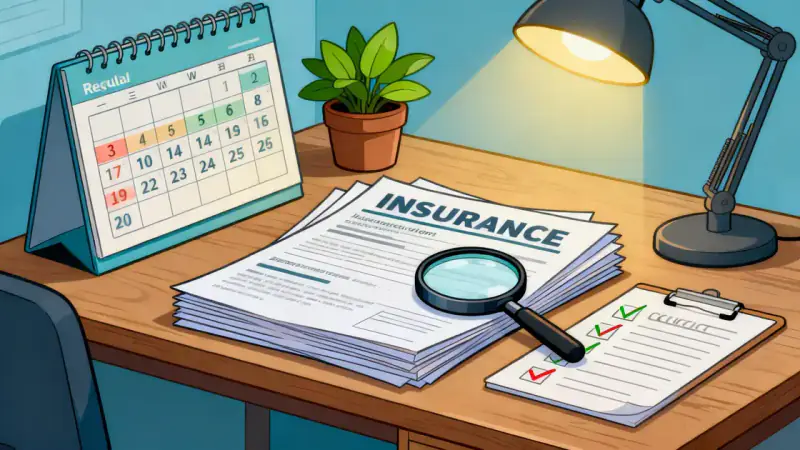
Building a secure life is about so much more than earning a living and saving money. One of the most crucial—but often overlooked—parts is ensuring your insurance coverage keeps up with you as you grow, change, and face new challenges.
If you’ve ever wondered how to review your insurance coverage regularly, you are not alone. Many people buy insurance, then tuck their documents away, forgetting that a policy from years ago might not suit their present circumstances.
This guide offers practical, step-by-step help, as well as motivation to make reviewing your insurance not only a financial strategy, but an act of care for yourself and your loved ones.
Why Reviewing Insurance Coverage Really Matters
Imagine spending decades working hard and making sacrifices to build a life, only to have a single accident, illness, or disaster derail everything. Insurance is meant to shield you—that’s true. But policies become outdated as lives evolve. A review can protect you from the shock of unexpected gaps in your coverage.
Changes like marriage, career shifts, home purchases, the birth of a child, or even renovations can affect your insurance needs. Regular reviews ensure you’re not underinsured, which could leave you dangerously exposed, or overinsured, leading to wasted money each year.
When Should You Review Your Insurance Coverage?
Everyone’s life is unique, but financial experts agree on certain times when it’s crucial to review policies. If you’re not sure where to start, here are common milestones and prompts to schedule a review:
- Major life changes: marriage, divorce, a new child, moving house, or starting a business.
- Policy anniversaries: use annual reminders to check coverage.
- Significant purchases: buying a new car, expensive jewelry, or electronics.
- Changes in income: a new job, retirement, or big investments.
- Legal changes: new laws, employer benefit updates, or government programs.
Even if life feels “stable,” an annual review is a wise habit.
Step-by-Step: How to Review Your Insurance Coverage Regularly
Your insurance portfolio may include life, auto, home, health, disability, renters, and more. Reviewing each can be manageable if you break it into organized steps. Let’s walk through a comprehensive review:
- Gather all your insurance records, including policies, bills, appraisal documents, and any correspondence.
- List your current possessions, liabilities, and dependents. What you own—and owe—has likely changed since your last review.
- Compare policy details to your current reality. Check coverage limits, deductibles, named beneficiaries, and any exclusions.
- Look for areas of over- or under-insurance. Could you handle the deductible in an emergency? Does your policy actually cover new assets or family members?
- Contact your insurer or agent with any uncertainties. Professional advice is vital if you uncover significant gaps or want to adjust your coverage.
Many people are surprised at what they discover—outdated addresses, wrong beneficiary names, or valuable items left off a home inventory. These little details can determine the outcome if you ever have to file a claim.
Check for Gaps and Overlaps in Your Coverage
The goal of insurance is to protect the most important things in life—so let’s help you spot areas often missed:
- Home or renters insurance: Has your recent renovation or a new purchase changed your home’s value?
- Life insurance: Do your beneficiaries match your current wishes? Is your coverage enough for your growing family?
- Health and disability plans: Have you reviewed deductibles, copays, and coverage for prescriptions or specialists?
- Auto insurance: Did you add a teen driver or get a new vehicle? Are your liability limits adequate?
Often, life changes overlap between policies. Avoid “double-dipping,” like covering a car under two policies, which wastes money, or missing coverage when you switch providers.
Questions to Ask Yourself During a Review
To make your review both thorough and meaningful, take time to answer these questions:
- Does my policy fit my current lifestyle?
- Have my risks increased or decreased?
- Is my family adequately protected if something unexpected happens?
- Could I save money by bundling or raising deductibles?
- Am I missing any important coverage, like critical illness or flood insurance?
Each answer shapes decisions that impact your financial security for years down the line.
How to Track Policy Changes: Simple Documentation
Organization is everything. Use a spreadsheet or create a simple table to keep track. Here’s a sample format that can help:
| Policy Type | Provider | Coverage Amount | Next Review Date | Beneficiaries | Notes |
|---|---|---|---|---|---|
| Home | ABC Insure | $250,000 | June 2025 | Spouse, children | Added basement renovation |
| Auto | XYZ Auto | $100,000 liability | June 2025 | Self | Updated for new car |
This snapshot helps you see each policy’s strengths and vulnerabilities at a glance.
Inspiration: Taking Control of Your Safety Net
Ultimately, reviewing your insurance coverage regularly is an act of love and responsibility. It’s not just paperwork—it’s the comfort that comes from knowing your family won’t be set back by a crisis you could have foreseen and planned for. Think of it as building a legacy of resilience.
By carving out a little time each year, you avoid painful financial surprises, gain confidence, and strengthen your sense of security. Let this checklist be the nudge to prioritize what matters most: your well-being and peace of mind.
Embrace these reviews with the knowledge that you’re doing more than protecting possessions—you’re safeguarding dreams, opportunities, and the ones you love.