How to Stay Organized While Paying Off Debts: Effective Strategies
Finding yourself burdened with debt can be one of life’s greatest challenges. The journey to financial freedom is often long and emotionally taxing, but developing organized strategies each step of the way can make the process not only more manageable, but even inspiring. If you want lasting change, learning how to stay organized while paying off debts is your foundation.
Disorganization tends to fuel anxiety, procrastination, and missed payments. But with the right mindset and tools, you can transform your debt repayment journey into a story of empowerment and accomplishment. Here’s how to make organization your best ally.
The Emotional Weight of Debt and the Power of Order
It’s easy to underestimate the emotional impact of financial struggles. The constant reminders, looming deadlines, and uncertainty can erode your confidence and well-being. When your bills are scattered or you’re unsure how much you owe, anxiety increases—and motivation diminishes.
Creating order in your financial life restores a sense of control. You’ll gain clarity around what you owe, who to pay, and how long the journey will realistically take. This mental clarity directly contributes to your emotional resilience.
Instead of fearing a mountain of debt, each step forward becomes a victory. You’ll find it easier to celebrate your wins and chart your progress.
Crafting a Personalized Debt Repayment Plan
Start by gathering all debt-related documents: credit card statements, loan agreements, and any unpaid bills. Create a comprehensive list for an at-a-glance view of all obligations. Knowing the landscape of your debt is the first and most vital step.
- Write down each debt, the total owed, the interest rate, and the minimum monthly payment.
- Arrange debts from highest to lowest interest, or smallest to largest balance, depending on your strategy: avalanche (interest first) or snowball (smallest first).
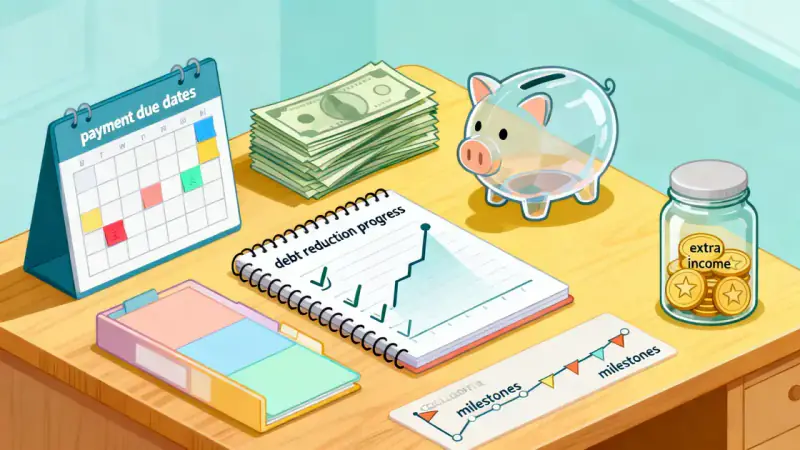
- List due dates so you never miss a payment, which also helps avoid added fees.
Many people find it helpful to use a digital spreadsheet or a simple notebook to keep financial goals clear and accessible. Consider color coding or highlighting the ones you want to pay off first for additional focus.
Leveraging Technology for Financial Tracking
Thankfully, today’s world offers a wealth of tools to simplify and systematize your finances. Apps, budgeting software, and online calendars can be powerful allies in helping you track payments, monitor balances, and set reminders.
- Budgeting apps let you sync your accounts, track expenses, and create repayment categories.
- Automatic payment reminders ensure you never miss a bill due date.
- Spreadsheets provide a custom solution to see all numbers in one place, offering unique adaptability.
If you prefer analog methods, use a well-designed planner or a bullet journal with dedicated sections for debt repayment tracking. The act of physically writing down your payments and successes can be deeply satisfying and stress-relieving.
Building Systems for Organizing Bills and Documents
A practical organization system prevents surprises and empowers you to act quickly. Set up a central location—whether a digital folder or a physical file—for all your financial documents.
Sort incoming mail immediately and avoid letting bills pile up. You might create a table such as the one below to keep your information handy:
| Debt Name | Amount Owed | Interest Rate | Due Date | Status |
|---|---|---|---|---|
| Credit Card A | $1,500 | 18% | 15th monthly | Paying down |
| Student Loan | $8,000 | 6% | 5th monthly | Current |
| Auto Loan | $5,500 | 4% | 20th monthly | Current |
This table format gives you a snapshot view and a greater sense of accountability. Update it monthly for the most impact.
Creating Consistent Habits for Lasting Progress
Once you’ve organized your debts and set up tracking systems, shift your focus onto building sustainable habits. Consistency is more important than perfection on this journey.
Dedicate one day each week for a quick financial check-in. Review your payments, update your progress, and adjust your plan as needed. Make it a non-negotiable part of your routine.
- Set calendar alerts for check-ins.
- Pair the task with a small treat or ritual—like enjoying a cup of tea—to make it enjoyable.
- Involve a trusted partner or friend to build accountability and support.
If you slip up or have a setback, don’t let guilt derail your progress. Instead, acknowledge the challenge, learn, and recommit to your plan.
Cultivating Motivation and Celebrating Wins
Financial journeys can feel lonely and never-ending, so fueling your motivation is essential. Set clear milestones—not just for debt totals, but for consistent habits, such as three months without missing a payment.
When you reach these goals, celebrate in healthy, meaningful ways. Document your wins visually—a progress chart on your wall or small rewards that don’t sabotage your financial progress can work wonders.
Remember, every payment brings you closer to relief and confidence. The mountain gets smaller, bit by bit, as you move steadily and intentionally.
The Road Ahead: Staying Organized for Life
By learning how to stay organized while paying off debts, you’re building skills that will serve you for life. You gain not just a clean slate, but greater self-trust and a powerful sense of agency.
Organization fuels hope; it turns disorder into manageable steps and anxiety into action. Start today—gather your documents, draft your plan, and create a system that you can maintain. The burden will begin to feel lighter with every intentional step you take.
Your debt repayment journey isn’t just about numbers—it’s about reclaiming your control and dreaming bigger for the future. Let the organization lead the way toward your freedom.