How to Track Loan Balances and Payments
If you have loans, you know the low hum of worry that can settle at the back of your mind: Are my loan balances shrinking? Am I on track with my payments? That anxiety doesn’t have to be a constant companion.
When you discover how to track loan balances and payments effectively, you create a path toward not only financial clarity but also deeper peace of mind—bringing your dreams of stability and freedom closer each month.
Let’s explore why tracking matters, which tools can make the process effortless, and how you can transform loan management into a springboard for lasting financial strength and personal growth.
Understanding Your Relationship with Loans
Before diving into practical techniques, pause to reflect: loans are both a responsibility and a tool. Whether you’re managing student loans that propelled your education or a mortgage that gave you a home, each loan represents a part of your life’s journey.
Unfortunately, with multiple balances and payment schedules, it’s easy to lose track and feel powerless. But you can reclaim control, starting today.
Why Tracking Loans Changes the Game
Most borrowers underestimate the power of organization. When you actively track your loan balances and payments, you gain benefits that reach far beyond due dates and statements:
- Reduced stress—No more surprise bills or missed deadlines
- Cost savings—Avoid costly late fees and extra interest
- Better credit—On-time payments bolster your financial reputation
- Faster debt payoff—Stay motivated by watching balances shrink
Above all, you create the confidence that comes from being proactive, not reactive, with your money.
Getting Ready: What You Need to Begin Tracking
Effective tracking starts with preparation. Gather all your loan documents—physical copies and digital statements. List out essential details for each loan:
- Lender’s name and contact information
- Original and current loan balances
- Interest rate
- Monthly payment amount
- Payment due dates
- Account numbers
This may seem tedious initially, but laying the groundwork with accurate information will save you hours—and major headaches—over the life of your loans.
Choosing the Right Tools for You
The best method for tracking depends on your preferences and comfort with technology. Here are tried-and-true approaches:
- Spreadsheets: A simple Excel or Google Sheets tracker gives a comprehensive, customizable view. You can add columns for every detail, create charts to visualize progress, and update at your own pace.
- Personal finance apps: Specialized apps like Mint, YNAB, or your bank’s own platform can auto-update balances, track due dates, and even send payment reminders.
- Loan servicer websites: Some lenders offer dashboards with current balances and payment histories—a helpful backup resource.
- Notebook or planner: If you prefer to track by hand, dedicated pages in your planner work just as well. The key is consistency and accuracy.
Select a method (or combination) you’ll stick with, because consistency over time is what brings results.
Step-by-Step Guide: Tracking Balances and Payments
Once your tools and information are ready, here’s a simple workflow that brings clarity to your loan journey:
- Record your starting point: For each loan, write down the current balance, last payment date, and any upcoming due dates.
- Track each payment as you make it: Note the amount paid, the date, and the new (post-payment) balance. For variable-rate loans, also note interest accrued.
- Update monthly: At the start or end of each month, review your tracker. Are your balances moving as expected? Are any payments missing?
- Monitor automated payments: Double-check that autopayments are processing correctly, especially after any changes to your account or lender.
- Recalculate payoff timelines: Use your tracker to project how soon you’ll be debt-free if you keep up the current pace—or if you increase payments.
This habit pays off in visible progress. Seeing your balances shrink—from thousands to hundreds to zero—is a powerful motivator.
Amplify Your Organization: Visual Aids and Checklists
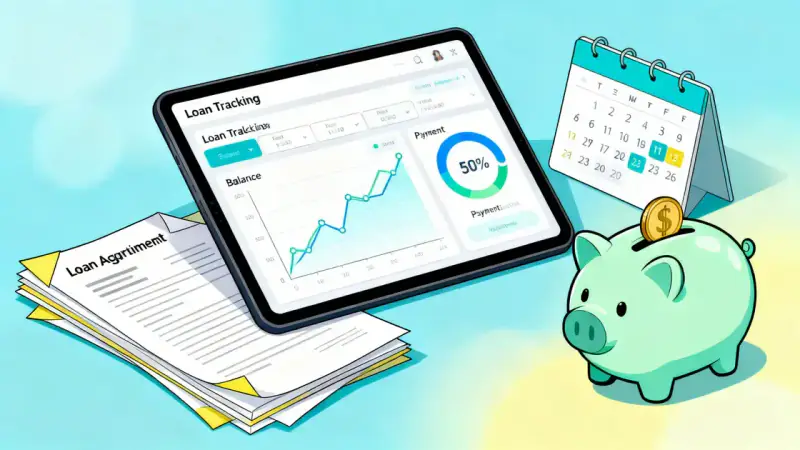
For some, seeing numbers in rows and columns isn’t enough. Consider building a simple visual dashboard to make your progress more tangible. Use colored bars, charts, or progress wheels in a spreadsheet or app.
A checklist of upcoming due dates or an annual payment calendar can also prompt timely action. Set smartphone reminders or sticky notes for extra peace of mind.
| Loan | Current Balance | Monthly Payment | Next Due Date | Status |
|---|---|---|---|---|
| Student Loan | $8,200 | $195 | 6/15/2024 | On Track |
| Auto Loan | $4,750 | $220 | 6/10/2024 | Paid |
| Mortgage | $154,300 | $1,250 | 6/30/2024 | Scheduled |
Keeping this kind of summary visible keeps you alert—and inspired.
Learning from Mistakes: Common Pitfalls to Avoid
Many borrowers slip up by forgetting payments or misunderstanding how much interest is being added. Watch for these traps:
- Failing to review statements regularly
- Overlooking changes in minimum due amounts
- Ignoring notifications about late or missed payments
Being vigilant cures these issues. Remember, you’re not alone or powerless—just committed.
The Hidden Rewards of Keeping Track
Yes, learning how to track loan balances and payments makes you more organized. But it does something deeper, too: It reminds you that every payment is progress—every shrinking dollar sign is a step closer to freedom.
When you control your loans, you control your future. The financial calm you gain lets you dream bigger and reach your goals faster, with the confidence that comes from making life work for you—not the other way around.
Your commitment to tracking isn’t just about numbers. It’s about owning your story, one payment at a time, and watching new possibilities unfold.