
How to Understand Insurance Responsibilities: Empower Your Decisions
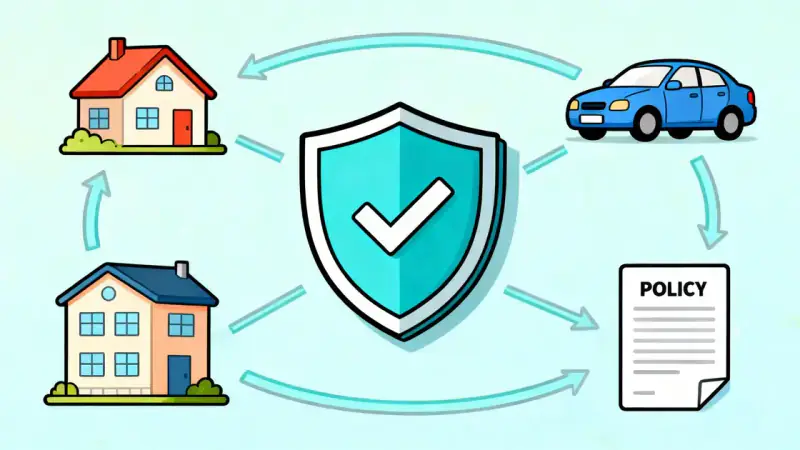
Insurance can feel mysterious and even intimidating—full of complicated documents, unfamiliar language, and hidden rules. Many people sign their insurance policies without fully understanding what is expected of them, or what they should expect in return. If you’ve ever felt confused by your insurer’s requirements or uncertain about your own obligations, you’re not alone.
This guide will peel back the layers of complexity and help you see insurance responsibilities with clarity. Empowering yourself with knowledge is the first step to making better choices and feeling confident about your future.
Understanding Insurance Responsibilities: The Basics
Your relationship with your insurer is a partnership built on shared promises. When you purchase an insurance policy, you are agreeing to a contract. Each party (you and the insurer) has specific responsibilities.
Insurers promise to provide coverage—paying for losses or damages as outlined in your policy. But there are actions you must take as well. Failing to uphold your end of the agreement can mean lost coverage, denied claims, or unexpected expenses.
Key Terms Everyone Should Know
To fully grasp your insurance responsibilities, it’s helpful to understand some essential terms:
- Premium: The amount you pay for your insurance coverage, often monthly or yearly.
- Deductible: The amount you must pay out-of-pocket before your insurance pays anything.
- Policyholder: The person who owns the insurance policy.
- Exclusions: Specific situations or conditions that aren’t covered by your policy.
- Claim: A formal request to your insurer for payment or service after a covered event.
When you know what these terms mean, you’ll spot your responsibilities more easily and avoid misunderstandings.
Your Main Insurance Responsibilities
While every policy is different, there are fundamental duties that most insurance contracts require:
- Pay your premiums on time to keep your coverage active.
- Provide accurate information on your application and when updating your policy.
- Report incidents promptly—as soon as practical after a loss or damage.
- Take reasonable steps to prevent further loss, such as securing property after an accident.
- Cooperate with your insurer’s investigation, including providing documents when asked.
If you overlook any of these, your claim may be denied or your policy could be cancelled. Understanding and fulfilling these responsibilities is your best defense against surprises.
The Hidden Power of Knowing Your Policy
Many people underestimate the value of reading their policy documents. It’s easy to ignore the details when life is busy or the language seems too technical. However, those documents contain vital information about your responsibilities that can protect you in times of crisis.
If you feel overwhelmed, start by focusing on these sections:
- Coverages: Exactly what is (and isn’t) protected
- Exclusions: Where your policy draws the line
- Conditions: The rules you must follow to ensure claims are paid
Make notes, highlight obligations in your own words, or ask a trusted advisor to translate tough sections. Knowledge is a shield.
Why Understanding Responsibilities Matters
When you understand your insurance responsibilities, you’re not just protecting property or health—you’re creating a foundation for peace of mind. You’ll know how to respond in stressful moments, avoid costly mistakes, and even save money by making better decisions.
Consider these scenarios:
- If you don’t realize your auto policy excludes certain types of damage, you might face an unexpected repair bill.
- If you file a claim late, your insurance company might have grounds to deny it.
- Overlooking the duty to prevent further damage after an incident can reduce your payout.
Each policy is unique, so it’s worth taking the time to learn what’s required of you.
How to Take Control of Your Insurance Responsibilities
Mastering your insurance responsibilities is not just about reading documents; it’s about building habits that support your goals. Here’s how to transform confusion into confidence:
- Set payment reminders: Automated tools or calendar alerts can help ensure you never miss a premium.
- Keep records organized: Store digital copies of your policy, receipts, and correspondence.
- Ask questions early: If you’re unsure, contact your insurance agent right away for clarity.
- Update your insurer: Report life changes like moves, new cars, or renovations promptly.
- Review your policy annually: Circumstances change—make sure your policy and its requirements still fit your needs.
Being proactive helps avoid lapses in coverage and ensures your policy serves you when you need it most.
Real-World Example: A Lesson in Preparedness
Imagine you have homeowners insurance. One stormy night, a tree falls and damages your roof. You immediately:
- Document the damage with photos and written notes.
- Contact your insurer promptly, sharing all critical details.
- Arrange temporary repairs to prevent further water damage, keeping all receipts.
- Respond quickly to requests for documents from your insurance agent or adjuster.
Because you followed your policy’s requirements closely, your claim is processed smoothly, and your home is repaired without added stress or financial worry.
Building Confidence and Empowerment
Understanding insurance responsibilities is about more than checking boxes. It’s about embracing a mindset of preparedness, responsibility, and self-advocacy. The peace of mind that comes from knowing you are covered—and that you’ve done your part—can be invaluable.
By demystifying your insurance obligations, you remove fear and replace it with action. Ask questions, stay organized, and remember: Knowledge is your ultimate protection.
Conclusion: Your Path to Security
Insurance is meant to protect you, but only if you uphold your unique responsibilities within the agreement. Take time today to review your policies and make notes. A confident future begins with understanding what insurance asks of you—and how you can meet those expectations.
Remember, you are not alone on this learning journey. Every step you take brings newfound clarity and peace, empowering you to build a safer, more secure life for yourself and your loved ones.