
Practical Ideas for Improving Financial Awareness
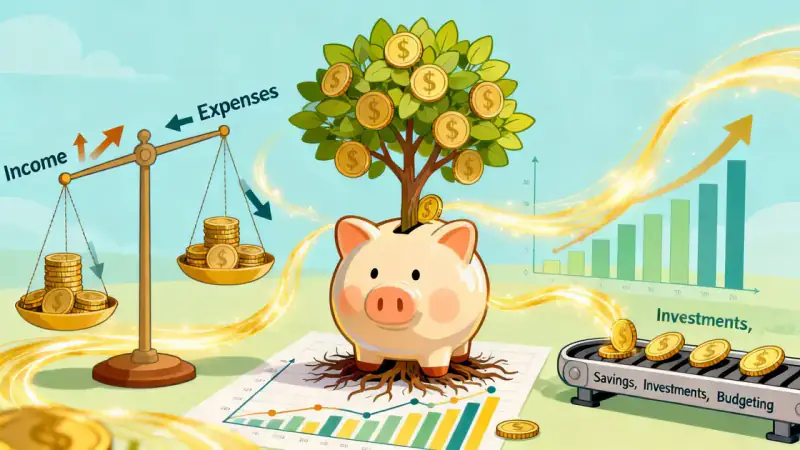
Imagine how different your life would be if you always felt in control of your money rather than it controlling you. Financial awareness is the foundation for building a secure future and reducing stress for yourself and your loved ones.
Becoming financially aware is not just about numbers—it’s about understanding habits, motivations, and goals, so you can shape a brighter future starting today. Let these practical, life-changing strategies inspire you to take the next step toward lasting financial well-being.
Whether you’re just starting out or looking for ways to enhance what you already know, there are hands-on, effective actions you can begin immediately. By making smart, conscious changes, you’ll realize not only can you improve your finances, but you can also gain lasting confidence through small yet powerful decisions.
Why Financial Awareness Really Matters
Financial awareness goes far beyond simply knowing how much money you have in your bank account. It means you understand where your money comes from, where it goes, and how best to make your income work for you.
People with strong financial awareness can adjust quickly to unexpected events, spot opportunities for growth, and avoid common money traps.
Most importantly, improving your financial awareness gives you peace of mind. It empowers you to make decisions based on knowledge instead of fear, which helps you sleep easier at night and plan for the future with more hope than anxiety.
Set Clear, Motivating Financial Goals
The first and most crucial step is to decide what you want your money to do for you. Setting specific, achievable goals adds clarity and motivation to your financial journey.
- Write down both short-term and long-term aims. Examples might include clearing debt, saving for travel, or building an emergency fund.
- Break big goals into manageable actions—such as saving a set amount every week or reducing unnecessary expenses each month.
- Review your goals regularly, and adjust them as your life changes.
Goals act as a compass, helping you resist impulse spending and keep your vision clear.
Track Your Expenses with Honesty
One of the most eye-opening exercises for anyone seeking improvement is tracking daily spending. Writing down every purchase—even small ones like coffee or snacks—can quickly reveal patterns and habits you may not have noticed.
Start by saving receipts, keeping a spending journal, or using a budgeting app on your phone. Focus on honesty over perfection; tracking isn’t about shaming, but about understanding. Even a week or two of careful logging is often enough to create major revelations.
Create and Stick to a Realistic Budget
A budget is more than a spending limit; it’s a plan for making your money do what you need it to. To create one:
- List your sources of income.
- Write down all regular expenses—rent, utilities, food, transportation, and any debts.
- Distinguish between needs and wants, and prioritize necessities.
- Allocate a portion for savings, even if small, to build the habit.
Remember that a budget must be flexible. If you overspend in one area, adjust another rather than giving up. Regularly review and tweak your budget so it matches your true habits and needs.
Use Technology to Make Things Easier
Managing money can feel overwhelming, but technology puts powerful tools at your fingertips. Many free apps are designed to help you:
- Automatically categorize spending
- Send alerts when you’re nearing budget limits
- Track progress toward specific goals
Find an app or two that you enjoy using and that motivate you to check in regularly. Consistency builds awareness, and even five minutes per week can make a big difference.
Practice Mindful Spending
Before making a purchase, pause and ask yourself three questions:
- Do I truly need this, or is it just a want?
- Is there something else I’d rather spend this money on?
- How will this choice affect my financial goals?
Practicing this simple pause can lead to smarter decisions that feel empowering instead of restrictive.
Strengthen Your Financial Knowledge Continuously
True awareness comes from understanding, and the best way to gain it is through regular learning. Take advantage of resources that are easily accessible:
- Listen to reputable podcasts or watch personal finance videos during your commute.
- Read easy-to-understand books or articles about money management.
- Attend community workshops or webinars if available.
As you build knowledge, you’ll find yourself making decisions with more confidence. Commit to learning something new each month, no matter how small, to keep growing your skills over time.
Build an Emergency Fund for Real Security
Few things increase peace of mind like an emergency fund. Aim to set aside small amounts regularly, and let it grow gradually. Use an account that’s separate from daily spending, and only dip into it for true emergencies.
Even if you start with spare change, the act of building an emergency fund sends a powerful message to yourself: You are planning for your future.
Stay Inspired and Celebrate Wins
Improving your finances is a journey, not a sprint. Take time to notice and celebrate each milestone, no matter how minor it seems.
| Milestone | How to Celebrate |
|---|---|
| First month on a new budget | Share your progress with a friend |
| Paid off a debt | Enjoy a special, budgeted treat |
| Reached savings target | Take a day to relax and reflect |
Regularly noticing your success will keep your energy and motivation high. Reward progress to fuel even more growth.
Embrace the Journey, Transform Your Life
There’s no magic formula for financial freedom, but with these practical ideas for improving financial awareness, you can create real and lasting change.
Each small step adds up, building toward a life where you feel more safe, empowered, and capable than ever before. The power to transform your financial future truly rests in your hands—one practical idea, one small decision, and one mindful moment at a time.
Begin your journey today, and discover how possible it is to thrive financially, no matter where you start.