
Practical Steps to Build Financial Stability: Start Your Journey
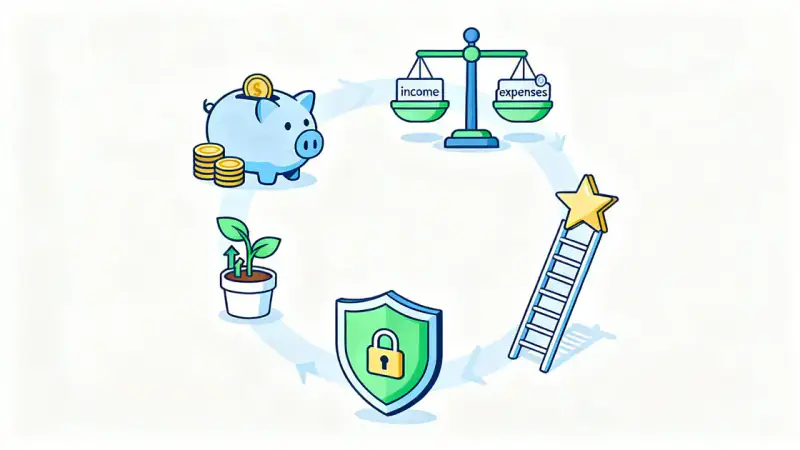
Taking control of your money is more than just crunching numbers—it’s about changing your life. Achieving financial stability isn’t reserved for the lucky or the wealthy; it’s possible for anyone willing to make thoughtful, consistent changes.
In fact, the journey is as personally empowering as it is pragmatic. Let’s discover how practical steps weave together to build the foundation for a secure financial future.
Understanding Why Financial Stability Matters
A stable financial life is not just about paycheck size. It’s a feeling of confidence that comes from knowing you are prepared—no matter what life throws your way. Financial stability gives you peace at night, choices throughout the day, and the ability to embrace opportunities for tomorrow.
It also transforms your wellbeing. From lowering stress levels to improving relationships and mental health, financial control ripples into every aspect of life. It is the platform from which you can pursue dreams, support loved ones, and retire with dignity.
Begin with a Thoughtful Budget
The first and most powerful step to stability is understanding exactly where your money is going. A budget is more than a list—it’s a mirror on which you see your habits and choices.
- Track all income, no matter how small.
- List every expense—housing, food, entertainment, even the daily coffee.
- Group expenses as essentials and non-essentials.
- Calculate what remains each month, and identify easy cuts.
Budgeting is a living process. Each month, review and adjust. The goal is to have your spending reflect your real priorities.
Build a Safety Net with an Emergency Fund
Nothing shakes stability like an unexpected expense. Medical bills, car repairs, even job loss—these moments test your financial foundation.
Your emergency fund is a buffer between you and crisis. Start small if you must, but make it a non-negotiable commitment. A good rule: aim for three to six months’ worth of living expenses set aside in a separate savings account.
Consistent, small contributions add up. Set automatic transfers right after you’re paid, so you never skip a month. With this cushion, life’s surprises become manageable rather than overwhelming.
Set Clear and Achievable Financial Goals
Goals are the compass points on your journey. Without them, it’s easy to wander and lose motivation. Each financial goal should be specific, measurable, and time-bound.
- Pay off a credit card in one year
- Save a set amount towards a vacation or home
- Invest for a milestone—like education or retirement
Visualize your goals. Write them down. Track progress monthly. Every small achievement builds momentum, and you’ll be amazed at how quickly your confidence grows.
Practice Mindful Spending Every Day
Most financial struggles aren’t due to a lack of knowledge—they’re a result of unchecked habits. Mindful spending means pausing before purchases and asking, “Does this match my values and needs?”
Try the 24-hour rule for non-essential purchases. Often, the urge fades, and you keep your dollars for what really matters. Celebrate every dollar saved as a step closer to your dreams.
Track your spending for a month and analyze patterns. Were there moments you chose convenience over necessity? Honesty here leads to change.
Balance Wants and Needs: Find Joy in Enough
Modern life constantly tempts us to spend. Social media, advertising, and our own desires make “enough” feel out of reach. True financial stability comes when we distinguish between real needs and the pressure to have more.
Create a list of what you truly value. Let this serve as a personal compass. Find gratitude in what you have, and resist the urge for instant upgrades. Over time, you’ll discover that contentment grows as purchases decrease.
Reduce Debt Strategically
Debt can feel like quicksand, dragging your goals out of reach. To escape, attack it systematically.
- List all debts, including amounts and interest rates.
- Pay minimums on all, but put extra money on the highest-interest one first (“avalanche” method) or the smallest balance first (“snowball” method)—whichever motivates you more.
- Each time you eliminate a debt, roll that payment into your next target.
Over time, you’ll watch your balances shrink and your spirit rise. Every debt paid is a victory toward financial freedom.
Invest for Your Future—Start Now, Start Small
Building real security means thinking beyond today. Investing is how your money works for you, growing with time and compounding interest.
You don’t need to be an expert. Consider simple options like employer retirement plans or basic index funds. The most vital thing is to start—no matter how small. Even $50 per month adds up over decades.
Stay consistent. Over time, the power of compounding will work its magic, and you’ll have more choices as you approach major life goals.
Cultivate Continued Financial Knowledge
The world of money changes fast. Laws, markets, and opportunities evolve. Your growth mindset is your greatest financial asset.
Commit to regular learning. Read books, listen to podcasts, or join community workshops. The more you learn, the more confidence and creativity you’ll bring to your finances.
Putting It All Together: A Lifetime Approach
These steps are not isolated—they are woven into your daily life and long-term vision. Financial stability is not a destination, but a journey filled with positive habits and learned resilience.
| Step | Impact |
|---|---|
| Thoughtful Budget | Clarity and control over spending |
| Emergency Fund | Security in times of crisis |
| Clear Goals | Motivation and purposeful direction |
| Mindful Spending | Reduced waste, more joy with less |
| Debt Reduction | Greater freedom and confidence |
| Investing | Wealth and options for the future |
| Continued Learning | Empowerment and adaptability |
Embrace these practical steps to build not just wealth, but also a sense of mastery over your life.
Your journey to financial stability will change your outlook, your mood, and your relationships. Step by step, you will discover that the greatest reward is not just having more money, but having more freedom—and hope—for the future.