
Practical Steps to Manage Insurance Documents
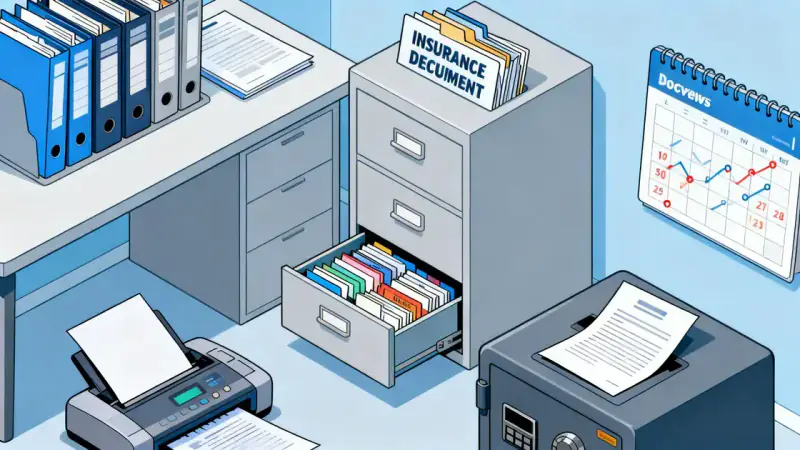
Feeling overwhelmed by a pile of paperwork is a common experience, especially when it comes to managing critical insurance documents. Yet, with just a few practical steps, you can turn confusion into clarity and ensure that your financial safety nets are always within reach.
This detailed guide will walk you through every aspect of document organization—helping you build confidence, security, and ease into your everyday life.
Let’s explore an approach that doesn’t just clear your desk but also gives you peace of mind when you need it most. Whether it’s a sudden claim, an annual policy review, or proving coverage in an emergency, you’ll always be prepared.
Why Effective Insurance Document Management Matters
Insurance is your safeguard against the unexpected, but its protection is only as strong as your ability to access vital documents when needed. Missing, damaged, or disorganized records can delay claims, cost you money, and add unnecessary stress during already challenging times.
With the right management plan, those moments can become smoother and far less daunting. A bit of effort now can save countless hours and headaches later. It’s about feeling empowered, not overwhelmed.
Step 1: Assess What Insurance Documents You Need
First, become familiar with the types of insurance you hold—health, auto, home, life, or specialty coverage. For each policy, ensure you have the following:
- Original policy documents and any amendments
- Payment receipts and premium notices
- Claim forms and settlement correspondence
- Contact information for agents and providers
- Coverage summaries and renewal notifications
Take time to gather all existing documents from drawers, inboxes, and digital storage. Creating a checklist for each policy makes sure nothing important slips through the cracks.
Step 2: Create an Organized Filing System
Choose a system that fits your lifestyle—whether physical folders, digital management, or a hybrid approach. Label folders or digital directories by policy type and year. Color coding can offer an instant visual cue, while consistent naming helps you find anything fast.
For physical records:
- Use sturdy folders or an accordion file for separation
- Store them in a fireproof and waterproof safe
For digital records:
- Scan each document clearly, saving as PDFs
- Maintain a well-organized folder structure on your computer or cloud
- Consider dedicated apps or password-protected storage
Consistency is everything. Every new document—whether mailed or emailed—should immediately find its place. Don’t leave organization for tomorrow, as small delays can lead to big piles.
Step 3: Schedule Regular Reviews and Updates
Insurance needs change with time—so should your documents. Mark your calendar for an annual review. During this time, check:
- Coverage details and policy limits
- Beneficiary updates
- Premium changes and renewal dates
Remove outdated paperwork to reduce confusion. Shred old documents that contain sensitive information to protect your identity. This ongoing habit keeps your records both relevant and secure.
Step 4: Safeguard and Back Up Your Documents
Physical and digital threats—such as fire, water, and cyberattacks—can put your hard work at risk.
For physical documents, invest in a fireproof and waterproof safe. Store it in a place easily accessible during emergencies but secure from everyday traffic.
For digital copies, rely on both cloud storage and external hard drives. Encrypt files that have sensitive data and enable two-factor authentication for extra peace of mind. Make it a habit to back up these files after every update.
Step 5: Make Information Accessible to Trusted Individuals
If an emergency leaves you unable to access your policies, a trusted family member, partner, or executor should step in seamlessly. Prepare a summary sheet with key policy numbers, contacts, and next steps. Keep this summary in your safe and share digital access instructions with at least one trusted person.
Having a clear plan ensures that your protection extends to loved ones, reducing panic and confusion during urgent times.
Step 6: Stay Proactive with Claims and Provider Communication
Whenever you file a claim, document every interaction. Track reference numbers, representatives, and dates. Create a log for ongoing issues and correspondence.
Effective record-keeping ensures you don’t miss critical details or deadlines. It also strengthens your position if you need to challenge a decision or appeal a claim outcome.
Helpful Table: At-a-Glance Insurance Records Checklist
| Insurance Type | Essential Documents | Review Frequency |
|---|---|---|
| Health | Policy, claims, payment history | Annually |
| Auto | Policy, ID cards, repairs, claims | Semi-annually |
| Home | Policy, inventory, receipts | Annually |
| Life | Policy, beneficiary info, statements | Annually |
Common Pitfalls and How to Overcome Them
Too often, people set up a system and then forget to use it. The most effective approaches are simple and routine—nothing should be so complex that you avoid it altogether.
Avoid:
- Letting papers or emails pile up “to sort later”
- Relying only on physical or digital storage rather than both
- Storing documents in places vulnerable to damage
- Failing to update beneficiary or policy information
With thoughtful, persistent habits, you can overcome these obstacles and truly master your insurance records.
Conclusion: Step into Confidence and Control
Managing insurance documents doesn’t just protect your policies—it protects your well-being and those you care for. Embrace these practical, organized steps today and transform your approach from reactive to proactive.
With every document organized, every backup prepared, and every trusted contact informed, you step confidently into life’s uncertainties. Peace of mind is within your reach—and it all begins with how you manage your insurance documents.