
Practical Tips for Understanding Insurance Documents Easily
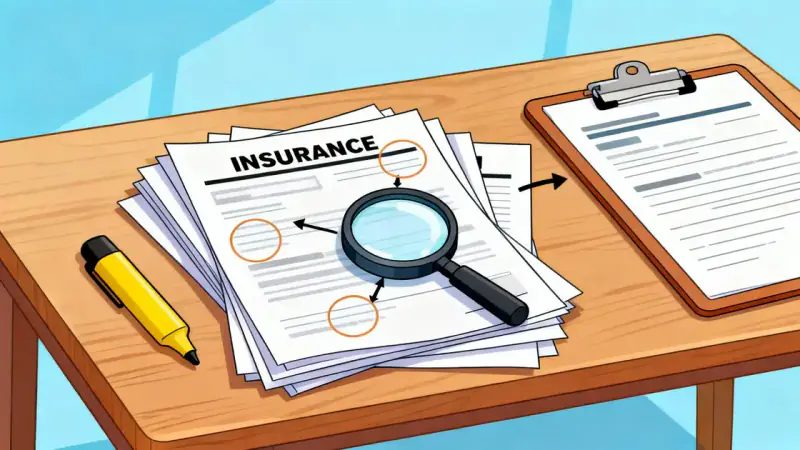
Insurance documents are designed to protect us in our moments of greatest need, yet for many people, navigating an insurance policy can feel like decoding a foreign language. The fine print, the technical jargon, and the dense legal terms often leave us confused, frustrated, and unsure of the coverage we’ve purchased.
It doesn’t have to be that way. With the right approach and a handful of essential tips for clear understanding, you can break through the confusion and gain true control over your insurance.
The process can even be empowering, building your confidence and ensuring you’re genuinely protected—rather than just hoping you are. Here’s how you can truly master your insurance paperwork.
Why Understanding Matters
Policies are more than impersonal contracts; they are promises between insurer and insured. Failing to clearly comprehend the content of your insurance documents can lead to surprising coverage gaps and denied claims when you need help most. By taking the time to understand your policy, you put yourself in a position of strength.
Knowledge is power. When you grasp your policy’s details, you avoid paying for the wrong coverage, missing critical deadlines, or misunderstanding your obligations after a loss. You’re also better prepared to compare policies and make informed choices in the future.
Break Down the Paperwork
The first step in making sense of an insurance document is to break it into manageable parts. Most policies follow a standard structure. Knowing what to expect allows you to approach reading with less anxiety and greater strategy:
- Declarations Page – This outlines the key facts: policyholder name, covered property or items, policy limits, and the premium.
- Insuring Agreement – This details what the insurer promises to cover, under which circumstances, and for whom.
- Definitions – Find this section early; it will explain how terms with special meaning are used in your policy.
- Exclusions – Arguably the most vital section, it lists what is not covered under your policy.
- Conditions – Sets out your responsibilities and the conditions that must be met for coverage to apply.
By reading one section at a time and understanding its function, you eliminate a lot of overwhelm from the process.
Decode the Language with Confidence
Insurance language can be notoriously complex, but you don’t need a law degree to understand it. When you encounter industry-specific jargon in your documents, pause and look up terms either in the policy’s definitions section or through a trusted resource.
Here are some commonly misunderstood terms:
- Deductible: Your out-of-pocket cost before insurance pays
- Premium: The amount you pay for coverage, typically monthly or annually
- Rider/Endorsement: An addition to change or expand your policy
- Peril: A specific risk or cause of loss covered by the policy
- Exclusion: Something the policy will not cover
Take your time and don’t hesitate to write notes or highlight terms as you go.
Essential Tips to Clarify Coverage
When you’re reviewing your insurance paperwork, use these simple strategies for a clearer understanding:
- Read slowly and deliberately—rushing increases confusion
- Summarize each section in your own words
- Use a highlighter to emphasize crucial dates, numbers, and clauses
- Check if any optional add-ons (riders or endorsements) are included
- Review the exclusions and limitations multiple times
It’s also wise to set aside distractions. Insurance details require a clear mind, so make sure you’re comfortable and well-rested before diving in.
Organizing What You’ve Learned
Once you’ve read your policy, organizing the main points is critical. Consider making a summary table for personal reference:
| Section | Your Summary |
|---|---|
| Coverage Provided | What risks, people, and items are protected? |
| Key Exclusions | Main situations where coverage is not provided |
| Deductibles | Out-of-pocket expenses before insurance kicks in |
| Limits | Maximum amounts the policy will pay |
| Important Dates | Renewal, cancellation, or claim deadlines |
Having your key information laid out side-by-side builds confidence and makes future reference much easier.
Avoid Common Pitfalls
Many people make mistakes simply because they gloss over the details. Here are crucial mistakes to watch out for:
- Assuming coverage exists for every loss—read exclusions
- Ignoring policy updates or renewal notices
- Missing deadlines to submit claims or update information
- Not asking questions if anything is unclear
If in doubt, always ask your agent for clarification before signing or making decisions.
Know When to Get Professional Help
Sometimes, even after careful review, insurance documents remain unclear. This is not a sign of failure—but a testament to the complexity of some policies. Don’t hesitate to reach out for guidance. An independent agent, consumer advocate, or insurance advisor can help untangle tricky language and ensure you fully understand what you’re signing.
Professional help can be invaluable for high-value or specialized policies where the stakes are high and small details can make a big difference.
A Pathway to Empowerment
Getting to grips with your insurance documents may feel daunting at first, but every word you understand adds another layer of confidence and security to your financial life. Insurance is about peace of mind, and that starts with clarity—not guesswork. Take time, ask questions, and don’t settle for uncertainty.
Remember, with these practical tips for understanding insurance documents, you’re not just ticking a box—you’re building a foundation for real support when life’s challenges arise. Embrace this process as an investment in yourself and your loved ones. You deserve to know exactly how you’re protected.
When you read your next policy, you’ll do so not with dread, but with a sense of ownership. That confidence is your first step to greater security and peace of mind.