
Simple Habits That Support Long Term Wealth Building Revealed
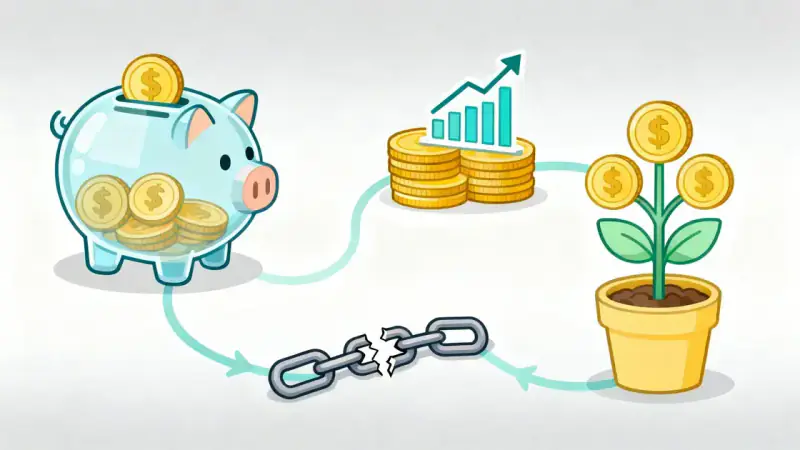
When most people imagine building wealth, they picture lottery wins or sudden windfalls. However, genuine and lasting wealth is rarely the result of luck or dramatic moves.
Instead, true financial security is often achieved by consistently practicing simple habits that support long term wealth building. These habits are accessible to everyone, regardless of income or background, and their power lies in repetition over time.
The journey to financial growth is not a sprint but a marathon. Embracing the right habits can set you up for decades of stability, comfort, and even abundance. Let’s explore how straightforward changes and daily actions can help you develop a path to genuine wealth—and why starting today truly matters.
The Power of Consistency Over Time
One of the most underestimated elements in wealth building is the compounding effect of habits. Just as small leaks can sink a ship, small but good habits can eventually fill the coffers. It isn’t the grand gestures, but rather repeated acts of discipline and intentionality, that create a substantial impact over a lifetime.
Consider the story of two people: one who spends impulsively, and another who routinely sets aside even a modest amount into savings. After ten years, the first may feel they’ve worked hard but have little to show for it, while the second enjoys growing security and freedom—proof that consistency is a silent but powerful ally.
Setting Goals and Creating Vision
Before diving into the habits themselves, it’s crucial to clarify your vision for financial independence. Setting clear, specific goals forms the foundation for every decision you make. What does wealth mean for you? It could be homeownership, travel, retiring early, or providing for future generations.
Write down your goals and revisit them often. This vision will motivate your daily choices and remind you why small, sometimes challenging, decisions are worth it. Without vision, habits become chores; with vision, they become stepping stones to something meaningful.
Embracing Simple, Wealth-Building Habits
Developing wealth-supporting habits does not require a financial degree or high-paying job. Here are fundamental practices that anyone can adopt:
- Pay yourself first. Treat savings as a non-negotiable expense—set aside a percentage of income before spending on anything else.
- Automate your savings and investments. Use automatic transfers to funnel money into savings and investment accounts, removing the temptation to spend.
- Keep track of where money goes. Awareness is power. Use budgeting apps or old-fashioned notebooks to document expenses.
- Invest regularly, even if the amount feels small. Time in the market is more potent than timing the market. Starting now is more important than starting big.
- Solidify an emergency fund. Having three to six months’ worth of expenses stashed away prevents financial backslides when life throws curveballs.
Implementing even a couple of these habits can start to shift your financial trajectory. Over time, these behaviors become second nature, making saving, investing, and budgeting easier and more automatic.
Mindful Spending and Delaying Gratification
Another cornerstone of wealth creation is mindful spending. It’s about asking yourself whether each purchase aligns with your priorities and valued outcomes. One classic trick: wait 24 hours before making any unplanned purchase. Often, the urge will pass, and you’ll save that money.
Delayed gratification is the skill of trading today’s minor pleasure for tomorrow’s greater gain. By mastering this, you fortify your ability to stay on track with your longer-term desires, like traveling the world or living mortgage-free.
Education: The Never-Ending Habit
Financial literacy isn’t a subject learned once and forgotten. The world evolves, and so do the opportunities to grow your money. Make it a habit to consume books, podcasts, or reputable blogs focused on personal finance and wealth. Staying informed gives you the edge to recognize opportunities and dodge avoidable mistakes.
Additionally, seeking advice from mentors, attending workshops, or discussing money matters with trusted friends can help you refine your approach and adjust your strategy as your life changes.
Tracking Progress and Celebrating Wins
Making progress is motivating, but only if you notice it. Track your savings, investments, debt reductions, and even changes in spending habits. Periodically review your goals and measure your advancement.
A powerful table might look like this:
| Month | Savings Balance | Investment Value | Debt Reduced |
|---|---|---|---|
| January | $1,000 | $800 | $100 |
| June | $2,500 | $1,750 | $400 |
| December | $5,200 | $3,900 | $900 |
Celebrate the small victories—each step forward fortifies your identity as someone capable of achieving long term wealth.
Resilience and Adaptability in Your Wealth Journey
No journey is without obstacles. Whether it’s market downturns, unexpected expenses, or lifestyle temptations, the road to wealth will test your resolve. The key is to maintain flexible saving and investing habits that you can adjust without abandoning altogether when times are tough.
Remember why you started, review your goals, and if needed, revise your approach. Flexibility is as crucial as discipline in the long-term game.
Let Your Habits Build Your Legacy
Ultimately, growing long term wealth isn’t about luck or genius. It’s about ordinary decisions, repeated thousands of times, that add up to something extraordinary. Each dollar saved, every wise investment, each lesson learned—they are the bricks in the foundation of a future you control.
You don’t need grand gestures to get started. Begin today, build your habits one step at a time, and know that every small action plants a seed. Over years, those seeds will flourish into lasting security and a legacy you’re proud to share.