Simple Methods for Tracking Loan Progress
Managing a loan can sometimes feel overwhelming, especially when you’re juggling everyday expenses and long-term financial commitments.
However, simple methods for tracking loan progress can change your relationship with debt, turning anxiety into a sense of control and motivation.
Imagine being able to visualize, at a glance, just how far you’ve come and how close you are to total freedom. This article explores practical strategies anyone can use to keep loan progress visible, inspiring, and easy to manage.
Why Tracking Your Loan Progress Matters
Many people underestimate the power of active loan tracking. It’s not enough to make payments; seeing tangible progress fuels commitment, helps prevent missed payments, and unlocks opportunities to pay off your debt faster.
When you break down a seemingly insurmountable sum into milestones, you replace financial stress with steady motivation. What once felt like a burden transforms into an achievable goal—sometimes even a rewarding journey.
Starting with the Basics: The Power of Visualization
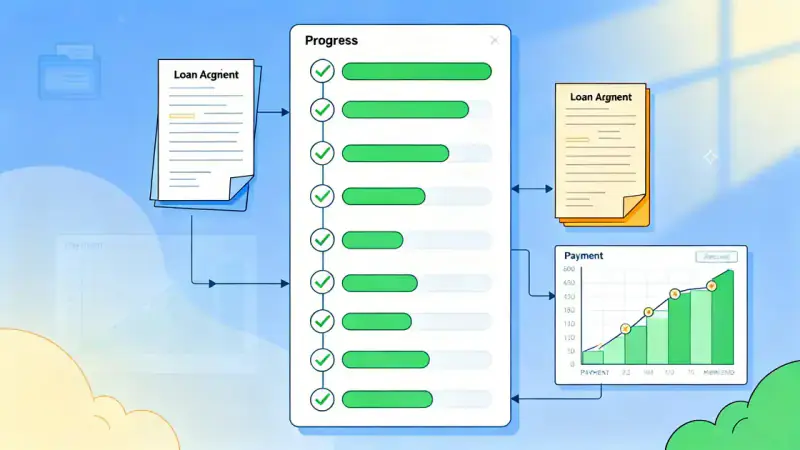
Before diving into high-tech solutions, remember that the most impactful methods are often the simplest. Writing things down manually can make your loan journey more real. Creating a visual representation—like a progress bar, chart, or color-coded calendar—brings your everyday efforts into focus.
With each payment, you witness your debt shrinking. This visibility isn’t just data, it is a source of encouragement during tough months and a visual reward as you near your goal.
Choose Your Method: Practical Tools for Every Lifestyle
There is no single “right” method for tracking loan progress. It depends on your personality, resources, and habits. Below are some approachable options that cater to varied preferences:
- Loan Progress Chart: Use a printable chart with the loan sum segmented into payment units. Color each segment as you make a payment. This method offers a gratifying sense of progress for each payment made.
- Digital Spreadsheets: Programs like Excel or Google Sheets are ideal if you enjoy structured numbers. You can log payment dates, remaining balances, and even calculate how much you’d save by paying extra.
- Mobile Apps: Several apps are designed for debt management and offer reminders, charts, and even strategies for acceleration. Look for features like automatic calculations and customizable reminders.
If you prefer to keep things analog, hanging your chart on the refrigerator can keep the goal present in your daily life. If you’re digitally inclined, set your spreadsheet or app as a shortcut on your phone.
Building a Simple Loan Tracker Table
Consider creating a basic loan tracker table. This helps summarize essential details and provides a snapshot of your status.
| Payment Number | Due Date | Amount Paid | Remaining Balance | Notes |
|---|---|---|---|---|
| 1 | 2024-07-01 | $300 | $9,700 | On time |
| 2 | 2024-08-01 | $300 | $9,400 | On time |
| 3 | 2024-09-01 | $350 | $9,050 | Paid extra |
Reviewing and updating your table monthly fosters a sense of accountability and keeps you aware of your performance. Celebrate small victories, such as paying a little extra or hitting a milestone.
Turn It Into a Game: Motivation Matters
Treating repayment as a challenge or game can keep spirits high. Set mini-goals, like “pay off $1,000 by December,” and reward yourself for meeting them. Each win boosts your confidence and reminds you that progress is possible, even on a limited budget.
Share your milestones with family or a friend who can cheer you on. Sometimes, external encouragement is the push that keeps your discipline firm when motivation dips.
Leverage Technology: Smart Reminders and Automation
Using technology means you don’t have to remember every detail. Set up automatic calendar reminders for due dates or enable notifications in your budgeting app. This removes the mental burden and reduces the chance of missed payments.
Some banking apps even visualize your loan payoff journey, displaying the decreasing balance in real time. If your lender provides this feature, check your progress regularly—it’s a motivating way to see your achievements in action.
Automated payments are another practical technique. By scheduling automatic transfers, you ensure payments are always on time, eliminating late fees and keeping you on track without effort.
What If You Slip? Embrace Flexibility
Everyone faces setbacks—a missed payment, an unforeseen expense, or a tough month. The key is not to lose momentum. If you skip a payment or need to reduce the amount for one month, adjust your tracker, note it honestly, and keep going.
Resilience matters more than perfection. Remember, consistency over the long haul is more powerful than flawless execution. The act of tracking itself keeps your goal alive, even through setbacks.
Fostering a Positive Financial Mindset
Ultimately, the real benefit of tracking your loan isn’t only about numbers—it’s about cultivating financial awareness and empowerment. You become the architect of your journey, actively reducing anxiety and gaining a clearer picture of your financial future.
This sense of control can ripple into other parts of your life: as you conquer your loan, you develop healthy habits that support every savings goal and investment ahead.
Inspiring Others: Lead by Example
When you share your system or celebrate progress, you may encourage a friend or family member to take charge of their debts. A supportive circle lifts everyone higher, turning what is often a lonely or intimidating journey into a collective success.
The most powerful stories of financial transformation often start with one simple habit—actively keeping track. With patience and these simple methods, you’ll be amazed by how much progress you can truly achieve.