Simple Strategies for Organizing Multiple Loans: Manage Your Debt
Facing several loans at once often causes stress, confusion, and a feeling of overwhelm. Whether you are juggling student loans, credit card balances, car payments, or personal loans, managing them all can seem daunting.
But you are not alone—and there are proven, simple strategies for organizing multiple loans that can bring order and confidence back into your financial life.
By embracing an organized approach, you’ll not only regain control but also set yourself up for a calmer, more stable financial future. Let’s embark on a journey to help you master your loans and inspire hope for tomorrow.
Why Organization is the First Step to Freedom
Imagine your debts as puzzle pieces scattered on a table. Without structure, the big picture seems impossible to visualize. However, when you start piecing them together, clarity and patterns emerge.Taking deliberate action allows you to see your whole situation at a glance.
When you organize your multiple loans, you create a roadmap. This allows you to identify priorities, minimize interest payments, and make smarter decisions. It also significantly reduces anxiety, as seeing progress can be highly motivating.
Gathering Essential Loan Information
Begin by compiling robust and accurate data for every loan you own. The more detail you have, the better equipped you’ll be to strategize. Here are essential details to capture:
- Lender name and contact information
- Loan type (e.g., credit card, personal, auto)
- Outstanding balance
- Interest rate
- Minimum monthly payment
- Due date for each payment
- Term left on the loan
- Any fees or special terms
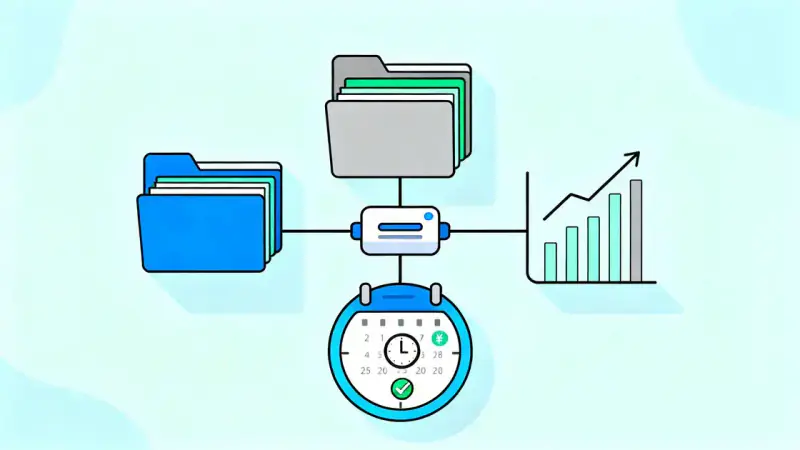
Write this information down or enter it in a spreadsheet, notebook, or finance app. The important thing is to have it all in one consolidated place for easy reference.
Visualizing and Prioritizing Multiple Loans
Now that you have the data, visualize your debt landscape. Creating a chart or table can be extremely helpful:
| Loan | Balance | Interest Rate | Min Payment | Due Date |
|---|---|---|---|---|
| Credit Card A | $3,200 | 19% | $95 | 10th |
| Personal Loan | $7,400 | 10% | $200 | 15th |
| Auto Loan | $11,000 | 6% | $310 | 1st |
With a clear view, you can begin to prioritize. Two common methods are:
- Highest interest rate first (Avalanche method): Focuses on the loan with the largest interest burden to save the most money over time.
- Smallest balance first (Snowball method): Knocks out smaller debts quickly, giving psychological victories to fuel motivation.
Choose the strategy that fits your personality and financial goals. The key is consistent progress in repayment, regardless of the method.
Streamlining Payments for Peace of Mind
Missed payments can lead to late fees and credit score declines. To stay on track, set up automatic bill payments whenever possible. Most lenders provide options for monthly autopay directly from your bank account.
If autopay isn’t available, set reminders on your phone or calendar. Consider clustering due dates shortly after payday to simplify your budgeting.
Exploring Loan Consolidation and Refinancing Options
If managing multiple payments feels overwhelming, loan consolidation or refinancing may offer relief. With consolidation, several loans are combined into a single payment—often at a lower overall interest rate.
Refinancing means replacing one or more existing loans with a new loan, ideally with more favorable terms. This can reduce the number of monthly payments and might even save you money.
Remember, these options have pros and cons. Consolidation can extend repayment time and may result in higher total interest if not managed correctly. Always calculate the long-term impact before making changes.
Tools and Habits for Long-Term Success
Simple technology can make a huge difference. Today, there are dozens of easy-to-use personal finance apps that track loans, create budgets, and send payment reminders.
Adopt habits that strengthen your organization:
- Monthly check-ins to review progress
- Celebrate milestones, no matter how small
- Adjust payments when your finances improve
- Always keep documentation accessible
These practices nurture a mindset of control and confidence, keeping you motivated for the long haul.
Avoiding Common Pitfalls
Mistakes are natural, but being aware helps you avoid them. Watch out for:
- Overlooking interest rates or due dates
- Making only minimum payments without a plan
- Applying for more loans before managing existing ones
- Neglecting to update your records after making payments
Learning from missteps is a valuable part of the journey to financial health.
Inspiration: Taking the First Step Changes Everything
Every organized plan starts with just one action. The sense of control you gain from sorting out your loan details can be genuinely empowering. It replaces dread with hope, and confusion with clarity.
As you conquer each small milestone across multiple loans, confidence will bloom—and the lessons you learn will support you throughout your financial life. Remember, it’s not just about reducing debt; it’s about unleashing your true financial potential and building a life where money works for you, not against you.
Start today, and soon you’ll look back amazed at how possible it truly was!