Simple Strategies to Organize Debt Payments
It’s easy to feel lost and overwhelmed when facing a growing pile of bills and debt statements. Maybe you feel stress each time the phone rings or that weight on your shoulders when looking at your bank statement. If any of this sounds familiar, take heart—there are simple strategies to organize debt payments that really work.
By following actionable steps with intention and hope, you can transform chaos into clarity, and anxiety into control.
Let’s journey through these methods together, discovering practical tools you can start using today. By the end, you’ll feel empowered to approach your debt with confidence and relief.
Understanding the Full Scope of Your Debt
The first step on any debt repayment journey is to face your financial reality head-on. Often, the unknown creates the greatest fear. Gather every debt statement you have—from credit cards and student loans to car payments and personal loans. Lay them out in front of you.
It’s not just about acknowledging what’s owed—it’s about getting specific. Write down for each account: the balance, minimum payment, interest rate, and due date. Seeing all your obligations on a single page provides a powerful sense of control and reduces anxiety by making the situation feel more manageable.
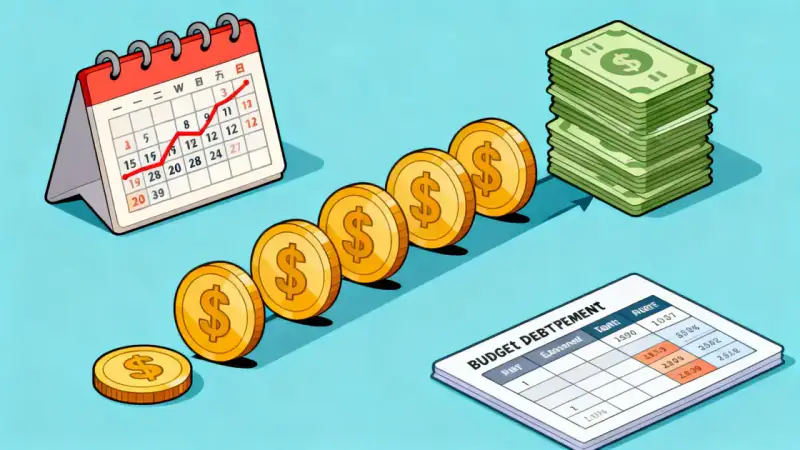
Consider creating a simple table like this to help you visualize the task:
| Type of Debt | Balance | Minimum Payment | Interest Rate | Due Date |
|---|---|---|---|---|
| Credit Card A | $2,500 | $75 | 18% | 15th |
| Car Loan | $7,200 | $210 | 6% | 5th |
| Student Loan | $15,000 | $120 | 5.5% | 20th |
This simple overview lets you see the entire financial picture at a glance. Knowledge is your first major source of strength.
Choosing the Right Repayment Strategy
With your debts clearly outlined, selecting an effective repayment plan is the next essential step. There are two time-tested methods individuals use, each with its own benefits—choose the one that suits your situation and personality best.
- Debt Snowball Method: Focus on paying off the smallest debt first, while making minimum payments on the others. When the smallest is cleared, move to the next smallest. This method creates quick wins and builds motivation as you see debts disappear.
- Debt Avalanche Method: Pay off debts with the highest interest rate first, minimizing the total interest paid over time. This method saves the most money but may take longer to eliminate each individual balance.
Ask yourself—do you need fast progress to stay motivated, or are savings on interest more inspiring? The answer will guide you towards a strategy you’ll stick with.
Automate Payments and Set Reminders
Life gets busy and, sometimes, due dates slip your mind. One missed payment can mean late fees or a credit score drop. Automation is a friend to anyone organizing their debt.
Set up automatic payments for at least the minimum amount due on each debt. Most banks and lenders offer this feature. This not only eliminates late payments but frees up mental energy for more important decisions.
For additional security, use calendar alerts on your phone or a physical planner to remind you a few days before payments are due. Layering reminders makes it even more unlikely anything will be missed.
Renegotiate Terms with Lenders
Many people don’t realize that creditors may be open to negotiation. If you face a temporary hardship, consider calling your lenders. Explain your situation honestly and politely. You may be able to secure:
- A reduced interest rate
- Lower minimum payments
- Waived late fees or penalties
- A payment plan that fits your current budget
Speaking up is a sign of taking charge of your financial well-being. Many lenders are more lenient than you’d expect—especially if you approach them before falling behind.
Track Progress and Celebrate Wins
Paying off debt is rarely a sprint—it’s more like a marathon. Staying motivated can be tough when results don’t show overnight. That’s why tracking your progress is vital.
Create a visual tracker—a chart on your wall, an app on your phone, or a spreadsheet. Update it every time you make a payment. Seeing balances drop reminds you that each step matters. Celebrate small victories, like paying off your first debt or lowering your total owed by each $1,000 increment.
Rewarding yourself when you reach milestones, even with something simple like a favorite meal, can help keep your spirits up and your resolve strong.
Build a Safety Net for the Future
Once your debt payments are in order, the next strategy is prevention. Establishing a small emergency fund—just a few hundred dollars at first—helps you cover unexpected expenses without falling back into debt.
Set aside a fixed, manageable amount from each paycheck. Consistency is key, not size. Over time, this creates security and peace of mind so your newly organized finances remain in good shape.
Stay Inspired on Your Journey
Remember, everyone’s financial story is unique. Patience and persistence are your greatest tools as you organize and pay down debt. Seek out support if you need it—financial counselors and community groups can offer accountability and encouragement.
Most of all, acknowledge how far you’ve come. Each step—no matter how small—reflects courage and commitment to a better, freer future. The strategies above aren’t about perfection; they’re about progress, control, and hope.
You have already taken the most important action—deciding to take charge. The rest is a journey, one payment and one day at a time. With each move forward, your financial stress will fade, replaced by increasing confidence and relief.
You can do this. Stay focused, stay disciplined, and let these simple strategies to organize debt payments guide you to the peace and stability you deserve.