Simple Systems for Organizing Debt Information Easily
When debt weighs heavily on your mind, the feeling often isn’t just about the numbers. It’s the chaos of scattered statements, missed deadlines, and confusion over what you truly owe.
Clarity brings calm in financial matters, and creating a genuine system can be a turning point. If you’ve ever wished for a fresh start, building an effective debt organization process is both the first step and the best gift you can give yourself.
Empowering yourself to take control of your financial landscape is not about perfection—it’s about finding practical, repeatable habits that stick. Whether you have one loan or five credit cards, using simple systems for organizing debt can replace anxiety with structure and hope. Let’s explore both the why and the how, inspiring you to act today and transform your future.
Why Simple Systems Make the Difference
The stress of debt is made worse by complexity. Overwhelm rises when information is difficult to find, or tasks seem never-ending. But what if you could turn confusing chaos into easy clarity, simply by choosing to organize?
Simple systems work because they take the intimidation out of the equation. By breaking down your debt details into logical steps, you create a map through the financial fog—one you can actually follow, and one that gives you emotional relief. Organizational systems boost your confidence and set you up for steady progress, one small win at a time.
Getting Started: Gather and List Everything
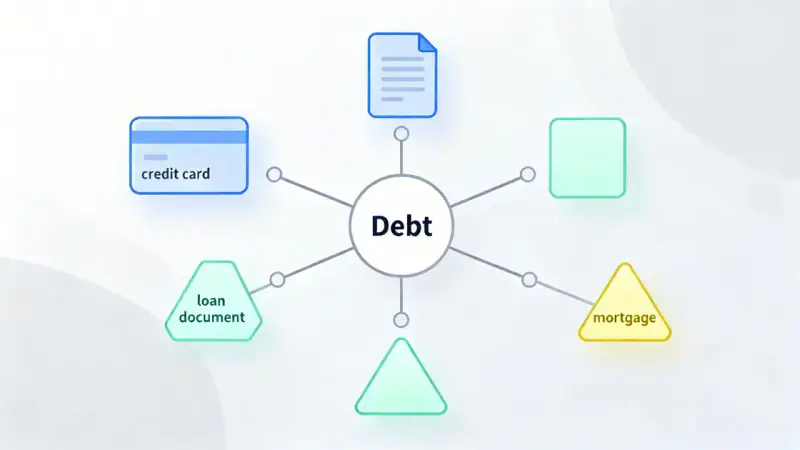
The first act of organization is facing everything. This may sound daunting, but it is the backbone of lasting financial change. Collect every piece of debt information you have:
- Loan documents, statements, and notices
- Online account screenshots or downloaded PDFs
- Any notes on phone calls or payment plans
- Interest rates and minimum payments
- Deadlines and creditor contact details
Once you have everything together, start a master list. This master list is your command center—a single sheet, notebook, or digital document where each debt is named, described, and tracked. Your master list gives you immediate clarity and a sense of order.
Choosing the Organizational Tools That Fit You
There is no right or wrong way to organize your debt, only the way that works best for your habits and preferences. Some people crave pen and paper simplicity, while others love spreadsheets or apps that do the heavy lifting. Consider a few popular methods:
- Physical folders and binders for each debt account
- A digital spreadsheet that’s easy to edit and update
- Color-coded sticky notes for quick at-a-glance information
- Dedicated apps or budget planners designed for debt tracking
No matter which you choose, consistency is key. Updating your system regularly ensures that you always know your exact status and next steps.
Creating a Custom Debt Information Table
For many, the heart of their system is a simple, well-designed table. Seeing your numbers, names, and due dates arranged visually can transform anxiety into manageable action.
| Debt Name | Balance | Interest Rate | Minimum Payment | Due Date | Status/Notes |
|---|---|---|---|---|---|
| Credit Card A | $2,500 | 18% | $75 | 15th | AutoPay Set Up |
| Car Loan | $6,200 | 5% | $240 | 30th | On Track |
| Student Loan | $12,000 | 3.5% | $120 | 1st | Consider Refinancing |
Whether you prefer paper or a digital spreadsheet, use this visual tool to clarify your overall situation. Knowing where your payments are going and what your priorities should be can eliminate so much daily worry.
Making Your System Work: Habits for Ongoing Success
Even the easiest system needs a bit of routine. Build small, consistent habits around your new structure:
- Review your debts once a week, even briefly
- Update your balances after each payment
- Set phone reminders for due dates or updates
- File new documents or statements immediately
These micro-habits prevent big problems. Tiny, regular check-ins yield major results over time, helping you become not only organized, but proactive and empowered.
Embracing Emotional Relief Alongside Practical Progress
Organization is about more than numbers. When you see your debts clearly, acknowledge your efforts, and celebrate small victories, you begin to feel hope. You’re not just paying off debt—you’re building a new relationship with your finances.
Take a moment to reflect on every improvement. Did you catch a missed payment before it became a fee? Did you see your balance decrease for the first time in months? This journey isn’t about absolute speed; it’s about persistence, grace, and newfound self-trust.
Frequently Asked Questions About Debt Organization
How often should I update my records? Aim for once a week. Regular check-ins help you spot errors early and keep you on track.
Is it better to use digital or paper tracking? Use whichever you’ll stick with consistently. The best system fits into your existing habits and preferences.
What if I feel overwhelmed by all the information? Break it down into tiny steps. Even organizing one account a day is progress. Don’t demand perfection—celebrate every step forward.
How do I stay motivated to maintain my system? Pair your check-ins with an enjoyable ritual, like a cup of coffee or music. Reward yourself for every update and remember—you’re doing this for you.
Finding Empowerment Through Organized Debt Information
It’s easy to let debt anxiety rule your days. But even the smallest effort to organize your information can bring an immediate sense of relief. Order and clarity are powerful antidotes to fear, and simple systems become the foundation of your progress.
With every list made, table filled, or payment tracked, you’re moving closer to financial freedom. Remember: organization is a form of self-respect and self-care. You are capable of tackling your debt—and living with peace—one step at a time.
The journey starts with a single system. Start organizing today, and witness the way it transforms your confidence, your choices, and ultimately, your life.