Understanding Interest in Everyday Loan Situations: What You Need to Know

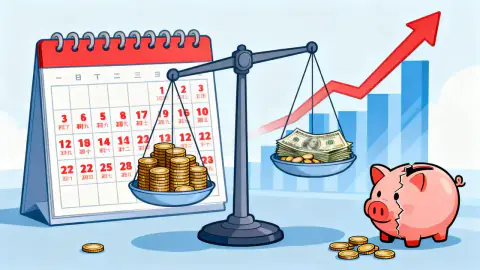
Understanding interest in everyday loan situations is a skill that can profoundly impact your financial destiny. Every time you use a credit card, take out a car loan, or even borrow money from a friend, interest plays a pivotal role.
Yet, for many people, interest is a maze of numbers and percentages that can be both intimidating and confusing. This article aims to untangle that web and arm you with the knowledge and confidence to face any loan situation boldly.
Our journey will reveal how interest quietly shapes every borrowing decision, turning tiny choices into life-changing outcomes.
More than just math, interest represents trust, risk, and opportunity—three invisible forces woven into every transaction. Let’s explore how you can take control and use your understanding of interest as your secret financial strength.
What Exactly Is Interest?
At its core, interest is the cost of borrowing money. When you take out a loan, you agree to repay the original amount, known as the principal, plus an additional sum for the privilege of using those funds.
Lenders use interest as compensation for risk and the potential missed opportunities of lending to you instead of others. Different loans have different interest rates, but the underlying concept is always the same: interest is money paid for the use of money.
Simple Interest vs. Compound Interest: The Building Blocks
Not all interest is created equal. There are two primary types: simple and compound interest. They might sound similar, but the difference between them can be enormous over time.
- Simple interest only applies to the principal amount you borrow.
- Compound interest adds interest onto previously earned interest, causing your debt to grow faster if unpaid.
Most personal loans and car loans use simple interest, making payments easier to predict. Credit cards and mortgages usually use compound interest, which can be much more costly if balances remain unpaid.
Interest in Everyday Life: Real-World Examples
Interest shows up everywhere—even in places you might not expect. Consider these common scenarios:
- Credit cards often carry high interest rates, which means carrying a balance can quickly spiral into overwhelming debt.
- Auto loans are typically lower in interest, especially for new cars, but a longer loan term can mean paying more in total interest over time.
- Personal loans from banks or even friends can have interest, whether formalized or implied.
Let’s put numbers into action. Suppose you purchase a $1,000 laptop with a credit card charging 20% annual interest but only pay the minimum each month. Over a few years, that laptop could cost you hundreds more in interest alone.
The Power of Your Credit Score
Your credit profile is like a financial report card, and it has a direct impact on how much interest you’ll pay in everyday loan situations. Lenders view borrowers with higher credit scores as less risky, often rewarding them with lower interest rates.
| Credit Score Range | Estimated Interest Rate (Personal Loan) |
|---|---|
| 750 – 850 | 6-9% |
| 700 – 749 | 10-14% |
| 640 – 699 | 15-20% |
| 600 – 639 | 21-28% |
Your score isn’t just a number—it’s a gatekeeper to more affordable loans. Improving your credit means lower interest, smaller payments, and fewer financial headaches.
Decoding Loan Offers: What to Watch For
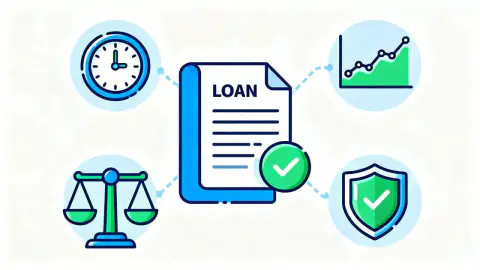
Before you sign up for any loan, it’s important to evaluate the offer as a whole. Here are factors to keep in mind:
- Annual Percentage Rate (APR): This combines interest with any fees, giving you the true yearly cost of the loan.
- Repayment terms: Longer loans have lower monthly payments but can mean much more interest paid over time.
- Prepayment penalties: Some lenders charge you for paying off a loan too early. This can affect your ability to save on interest.
Reading the fine print may seem tedious, but it can save you hundreds—or even thousands—of dollars in the long run.
Strategies for Reducing Interest Costs
Luckily, you have the power to control how much interest you pay. Consider adopting these practical habits:
- Always pay more than the minimum when possible on credit cards and loans.
- Choose the shortest loan term you can afford to minimize total interest payments.
- Refinance at a lower rate if your credit improves or rates drop.
- Set up automatic payments so you never miss a due date and avoid late fees and higher rates.
Every extra dollar you pay reduces the principal, shrinking future interest and accelerating your journey to a debt-free life.
Common Mistakes Borrowers Make—and How to Avoid Them
It’s all too easy to fall prey to mistakes that drive interest costs even higher. Some of the most common missteps include:
- Not reading loan agreements thoroughly.
- Ignoring the impact of compounding interest on unpaid balances.
- Relying too heavily on minimum payments.
- Choosing low monthly payments without considering the total cost.
By committing to financial literacy and vigilance, you avoid these pitfalls and reclaim control over your financial future.
Empowering Yourself: The Final Word on Everyday Interest
Mastering understanding interest in everyday loan situations is a gateway to making empowered personal and financial choices. Whether you’re borrowing out of necessity or seizing a new opportunity, knowledge puts the power back in your hands.
Every payment is a brick in the foundation of your financial independence. Each step you take with clarity and determination brings you closer to freedom from worry and the ability to pursue your dreams without fear. Remember, mastering interest isn’t just about numbers—it’s about securing your future, one informed decision at a time.
Embrace this journey. Equip yourself with the tools to decode every offer, question every rate, and seize every opportunity for savings. Let your understanding of interest be your compass toward a confident, prosperous tomorrow.