
Ways to Develop Strong Financial Habits: Transform Your Future
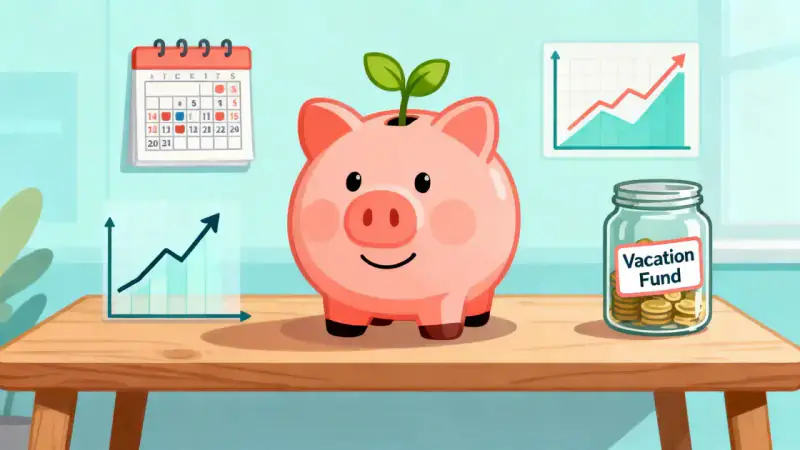
Everyone dreams of financial security and freedom, but only a few know how to achieve it. Discovering effective ways to develop strong financial habits can transform your life—not just your bank account.
By embracing positive money management routines, you can reduce stress, pursue your passions, and build a stable future for yourself and your loved ones.
This guide provides a blend of inspiration and actionable steps to help you build habits that last a lifetime.
Understanding the Impact of Financial Habits
Habits shape our daily lives and, ultimately, our destinies. When it comes to money, your everyday choices make the biggest difference in your overall financial health.
Adopting consistent financial behaviors builds confidence and resilience. With the right practices, you’ll find yourself better prepared for unexpected expenses, exciting opportunities, and even major life changes. Financial habits are not just about dollars and cents—they also influence your self-esteem, relationships, and peace of mind.
Assess Where You Are Right Now
Before you can establish strong habits, you need to take a close look at your current financial picture. Honesty is crucial. Knowing where you stand helps you create a plan based on reality, not wishful thinking.
Ask yourself:
- What are my current sources of income?
- How much do I spend each month, and on what?
- Do I have any debt, and what are the terms?
- What savings or investments, if any, have I started?
Take time to gather bank statements, receipts, and loan summaries. This step is often eye-opening, but it’s necessary to set achievable goals and take meaningful action.
Set Clear, Inspiring Financial Goals
Goals give your financial habits direction and purpose. Without a destination, it’s easy to drift or fall back into old patterns. Define what financial success means for you—it might be building an emergency fund to feel secure, becoming debt-free, buying a home, or saving for a dream vacation.
Write down both short-term and long-term goals. Make them specific, measurable, and realistic. For example, “Save $1,000 in three months” is clearer than “Save more money.” Put your goals somewhere visible to remind you of your motivation daily.
Master the Art of Budgeting
Budgeting is the cornerstone of responsible money management. A budget acts as a roadmap, showing you where your money goes and ensuring your spending aligns with your values and priorities.
To develop a practical, no-nonsense budget:
- Start with your total monthly income.
- List all fixed expenses (rent, bills, minimum debt payments).
- Add variable expenses (groceries, entertainment, clothing).
- Allocate a portion for savings and investments.
- Review and adjust each month as needed.
Apps and spreadsheets can help, but what matters most is commitment and consistency. Make reviewing your budget a regular habit.
Automate and Simplify Your Savings
Paying yourself first is more than a catchy phrase—it’s a crucial step towards building wealth. Make saving effortless by automating transfers from your checking to your savings account as soon as you receive your paycheck.
Even small, regular deposits add up over time. Automating ensures you don’t forget or skip on challenging months. If you have employer-sponsored retirement plans, increase your contribution even by 1%—future you will thank present you.
Build a Resilient Emergency Fund
Life is unpredictable. Whether it’s medical expenses, job loss, or car repairs, having an emergency fund brings confidence and comfort. Experts often recommend having three to six months’ worth of living expenses in a separate, easily accessible account.
Start small if needed—just $500 can cover many unexpected situations and prevent you from turning to credit cards or loans. Celebrating milestones along the way keeps you motivated and focused.
Adopt Smart Spending Practices
Developing disciplined, mindful spending habits changes your life. Instead of succumbing to impulse purchases, create a simple waitlist: whenever you want to buy something non-essential, wait 24-48 hours. Often, the urge passes, or you realize the item isn’t truly needed.
Look for value, not just the lowest price. Sometimes, investing in quality saves money in the long run. Use shopping lists to avoid impulse buys at the grocery store. Periodically review subscriptions and automatic payments—cancel anything that no longer serves your needs.
Monitor Your Progress and Make Adjustments
Consistency is key, but flexibility is crucial. Monitor your progress by setting aside time each month to check your budget, account balances, and savings growth. Celebrate your wins, no matter how small—they build momentum.
If you fall short of a goal or overspend, resist the urge to be critical. Instead, analyze what happened and adapt your systems. Sometimes, small course corrections lead to big results over time.
| Habit | Simple Action | Benefit |
|---|---|---|
| Automated savings | Set up monthly transfer | Consistent growth over time |
| Expense tracking | Review receipts weekly | Identifies waste, uncovers opportunities |
| Emergency fund | Save a small amount monthly | Reduces financial stress |
Keep Learning and Stay Inspired
The world of personal finance is always evolving. Make it a habit to read, watch, or listen to a financial resource every week. Finding a supportive community—online, at work, or among friends—keeps you accountable and motivated.
Remember, every financial genius started with a single decision to learn and grow. Comparing your progress only to your own past is more productive and much more empowering.
Conclusion: Your Financial Future Starts Today
Developing strong financial habits isn’t about restrictions; it’s about opening doors. With patience, daily positive money choices lead to transformation. Every step you take, no matter how small, is an investment in your happiness, security, and freedom.
Start today. Your future self will look back with gratitude at the habits you choose now. Financial freedom is not a distant dream—it’s built, one strong habit at a time.