
Ways to Improve Awareness About Insurance Protection Today
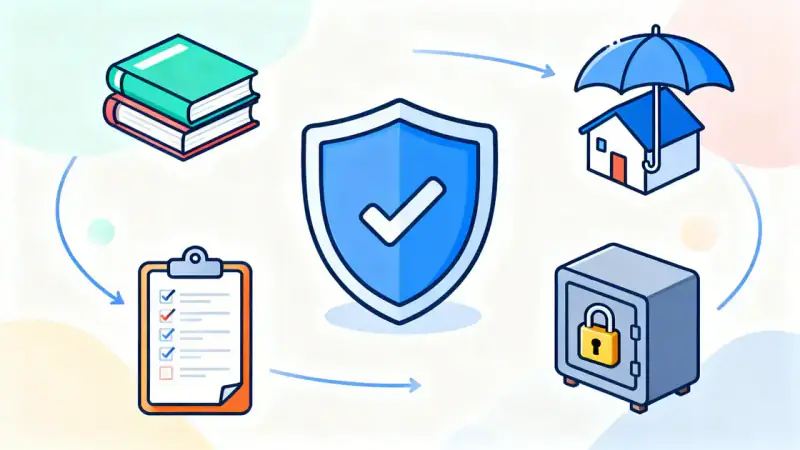
Insurance protection is often regarded as a complicated necessity—one that people only consider at the last minute or after facing a significant setback.
Yet, understanding the real value of coverage is vital for building confidence and security in our lives. Increasing awareness can be transformative, offering peace of mind to families and helping communities weather life’s storms.
Still, despite its importance, countless people are uninformed about the types of insurance available, how insurance works, or why it matters to them personally. To bridge this crucial gap, a strategic and empathetic approach is required—one that goes beyond jargon and targets what truly matters to people.
In this detailed guide, you’ll discover impactful and innovative ways to improve awareness about insurance protection, empowering you to inspire others and protect what means most.
Understanding Insurance Protection: Why Awareness Matters
The first and most important step is to understand why educating others about insurance options matters so much. Insurance isn’t just about compliance or ticking a box for legal reasons; it’s about offering a safety net. Unexpected events—illnesses, accidents, fires, or floods—can devastate savings and destabilize families.
Raising awareness puts people in the driver’s seat. It enables them to make informed choices, prevents hardship, and fosters a sense of personal responsibility. All of this contributes to a stronger, more resilient society.
Community-Centered Awareness Campaigns
One of the most powerful ways to reach people is through community. Organizing local events and workshops invites participation and builds trust. When individuals see their peers, neighbors, or local leaders engaging in discussions, the impact is far greater.
Consider these practical ways to make insurance protection a central topic in your community:
- Host free seminars, Q&A sessions, or “Insurance 101” nights at community centers, schools, or libraries.
- Invite local insurance experts to explain basics in accessible language rather than industry jargon.
- Create interactive learning experiences, such as games or real-life case studies, to encourage engagement.
By building connections in familiar environments, you help people feel comfortable asking questions and learning at their own pace.
Harnessing the Power of Digital Media
The digital age offers boundless opportunities for spreading important messages. Social platforms and online communities allow sharing educational content instantly with wide audiences.
To maximize this opportunity:
- Develop educational infographics and short videos that demystify common insurance types and dispel myths.
- Utilize social media challenges or quizzes to increase engagement, sparking conversations and sharing among friends.
- Collaborate with well-known influencers or respected personalities to amplify your message and tap into established trust.
Eye-catching content helps people absorb information quickly and share it easily, multiplying your reach.
The Impact of Real-Life Stories
Nothing illustrates the importance of insurance protection like authentic stories of resilience and recovery. When people hear firsthand accounts of how coverage eased burdens after a crisis, they can relate personally and begin to see insurance in a new light.
Effective ways to spotlight these stories include:
- Sharing anonymized testimonials on social channels or in local newspapers, highlighting diverse backgrounds and scenarios.
- Recording video interviews with real policyholders who are willing to talk about their experiences.
- Hosting panel discussions where survivors and experts discuss lessons learned.
By making the benefits of insurance tangible, these stories inspire people to take action for themselves and their loved ones.
Partnering with Local Leaders and Institutions
When trusted individuals endorse a message, it carries more weight. Trusted leaders and institutions paving the way for awareness can dramatically increase community buy-in. Schools, religious organizations, and community groups can become powerful allies.
Strategies include:
- Integrating insurance education into school curriculums or extracurricular programs so that understanding starts young.
- Collaborating with religious or nonprofit organizations to deliver targeted information to underserved groups.
- Empowering local business leaders to offer lunchtime learning sessions for employees and their families.
A support structure formed by local leaders can foster familiarity and help dispel distrust in insurance providers.
Designing User-Friendly Educational Resources
Many people are held back by fear of complexity. By offering materials that are easy to navigate and understand, you break down barriers that prevent people from seeking protection.
Some effective formats include:
| Type of Material | Key Feature | Audience |
|---|---|---|
| Pamphlets/Booklets | Simple diagrams, Q&A, practical examples | All ages |
| Interactive Websites | Personalized recommendations, calculators | Youth, tech-savvy adults |
| Community Radio Segments | Local language, relatable anecdotes | Rural areas/Elderly |
With resources tailored to their needs, individuals feel more empowered to ask questions and seek suitable policies.
Inspiring Positive Change: Moving Awareness Forward
It’s important to remember that spreading awareness isn’t just about information—it’s about cultivating shared responsibility for mutual support. When knowledge grows, fear diminishes. The decision to buy insurance becomes easier, and families feel a greater sense of stability.
In the end, every conversation, story shared, or resource distributed is a step toward a more prepared and protected community. Together, by striving for awareness, we make a difference—one person, one family, and one future at a time.