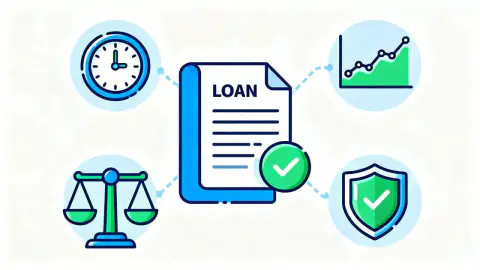
Ways to Organize Loan Related Documents: Master Control Starts Here
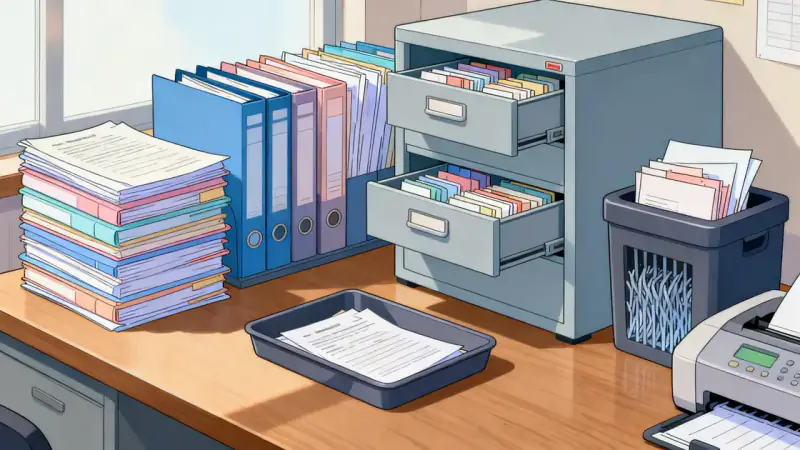
Keeping your important paperwork organized might seem like a small task, but when it comes to managing loan related documents efficiently, it’s absolutely vital. Chaos can strike at the most inconvenient moments—an urgent call from your lender, a surprise audit, or the scramble to refinance your home.
In these stressful scenarios, being able to instantly retrieve any required loan document can make all the difference, transforming panic into confidence.
If your desk drawers bulge with mixed-up statements, or if your digital folders are an endless maze, now is the perfect time to adopt practical, empowering ways to organize loan related documents and take true ownership of your financial story.
Why Staying Organized with Loan Documents Matters
Financial organization isn’t just about neatness. It’s about creating a sense of order and readiness in a world full of unpredictability. Organizing your loan documents paves the way for quicker responses in emergencies, smoother communication with lenders, and the prevention of costly mistakes or missed deadlines.
Every loan you take represents a significant commitment. Whether it’s your first student loan or a complex business line of credit, having your paperwork in order gives you power—over your finances and your peace of mind.
Identifying the Documents Worth Organizing
The first crucial step in organization is knowing exactly what documents you’re dealing with. Common examples include:
- Loan agreements, promissory notes, and contracts
- Payment schedules and amortization tables
- Receipts of payments or transfer confirmations
- Correspondence with lenders or servicers
- Tax-related documents regarding loan interest
- Refinancing or modification documentation
- Collateral and insurance paperwork
As you gather these records, be attentive to both printed and digital formats—today’s world often demands a hybrid approach to organization for full coverage and convenience.
Step-by-Step: Organizing Loan Documents at Home
The journey to well-organized paperwork begins with a vision of clarity and accessible information. Here’s a simple plan to get there:
- Start by gathering all your loan-related materials in one location—a dedicated table, room, or virtual desktop folder.
- Sort documents by loan type (mortgage, personal loan, auto, business), and then by date within each type.
- Discard outdated items cautiously, keeping in mind IRS and legal retention recommendations.
- Label physical folders and digital files with clear, consistent naming conventions that include dates and document types.
- Store sensitive or original documents in a secure place, such as a locking file cabinet or a fireproof safe.
- Make backup copies—scanning paperwork to your computer or a secure cloud service, ensuring you stay protected against loss or damage.
This strategy is about turning piles of paper into easily retrievable resources. Carve out time for this process when you can focus and feel motivated; the payoff is truly worthwhile.
Building a System That Stays Organized
Creating an organization system is only part of the journey—maintenance is where the magic happens. Here are essential habits to keep your document system resilient and up to date:
- Review your files every three to six months. Remove irrelevant items and add new ones as needed.
- Digitalize new paperwork as soon as it arrives. Snap images on your phone and upload them to a secure folder.
- Establish a ritual—set a recurring calendar reminder for regular document audits.
Consider creating a simple table to track key documents, their locations, and important expiration or milestone dates. For example:
| Document Name | Type | Location | Expiration/Action Date |
|---|---|---|---|
| Mortgage Agreement | Home Loan | Fireproof safe & digital | Renew June 2025 |
| Auto Loan Receipt | Vehicle | File Cabinet | Paid off Nov 2023 |
| Refinance Documents | Business Line | Cloud Backup | Check terms Dec 2024 |
This table not only keeps your mind clear but also gives family members or business partners access to vital information if you are unavailable.
Mastering Digital Tools for Superior Organization
Today’s organizational superpower comes from modern digital tools for document management. Many smartphone apps let you scan documents instantly, tagging them with keywords for quick discovery.
Cloud solutions like Google Drive, Dropbox, or OneDrive allow you to keep everything synchronized across devices. Always implement two-factor authentication and strong passwords for security, particularly since loan-related files often contain sensitive information.
For higher-level organization, consider personal finance software that also tracks associated loan documents. Reviewing due dates, notifications, and payment histories becomes as simple as opening your phone.
Avoid These Common Pitfalls
Some mistakes can undo months of careful organization:
- Failing to back up digital files often enough
- Using vague folder names like “miscellaneous”
- Letting physical paperwork pile up unchecked
- Forgetting to shred sensitive discarded documents
- Mixing personal and business loan files together
Combat these pitfalls by keeping your system flexible and building in regular review sessions. Empower yourself with organization habits that grow over time.
Inspiring Results: From Overwhelmed to Empowered
When you master ways to organize loan related documents, you don’t just eliminate clutter; you transform your financial life. You build confidence in your ability to handle emergencies, you become a more informed and responsible borrower, and you inspire those around you—family or colleagues—to do the same.
Take the first step today. Control your documents, control your future. The peace you’ll gain is the kind that carries over into every financial decision you make.
Remember: order is not a luxury, it’s a fundamental pillar of financial empowerment. Your journey to clarity starts with that first open folder.